Esophageal, Pyloric & Colonic Stricture Dilatation in Raipur, Chhattisgarh
- Home
- Esophageal, Pyloric & Colonic Stricture Dilatation in Raipur
Liver Disease Treatment in Raipur, Chhattisgarh
Specialized Endoscopic Care for Esophageal, Pyloric and Colonic Strictures
Narrowing in different parts of the digestive tract can interfere with the normal movement of food, fluids, or stool. Depending on where the narrowing occurs, patients may experience difficulty swallowing, vomiting, abdominal discomfort, bloating, or changes in bowel movements.
If you are looking for Esophageal, Pyloric & Colonic Stricture Dilatation in Raipur, Dr Patel’s Gastro, Liver & Endoscopy Centre provides evaluation and endoscopic management of selected digestive tract strictures based on the underlying condition and individual patient requirements.
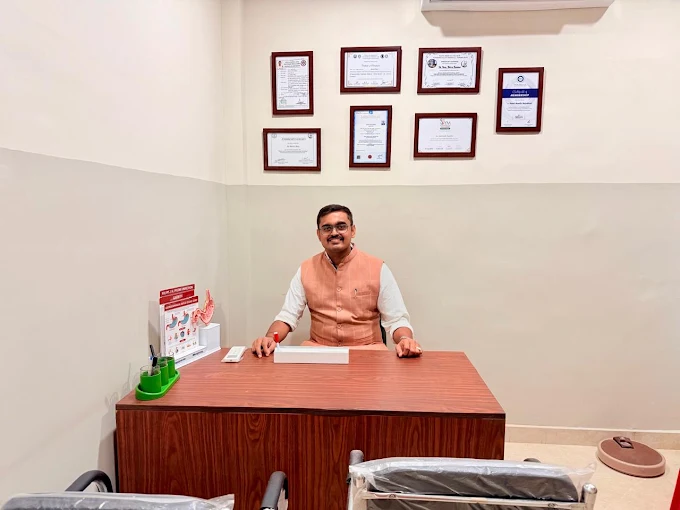
Dr. Rootik Patel, M.B.B.S., M.D. (Medicine), D.M. (Gastroenterology), reviews the patient’s symptoms, medical history, previous procedures, imaging, and endoscopy reports before determining whether stricture dilatation is appropriate.
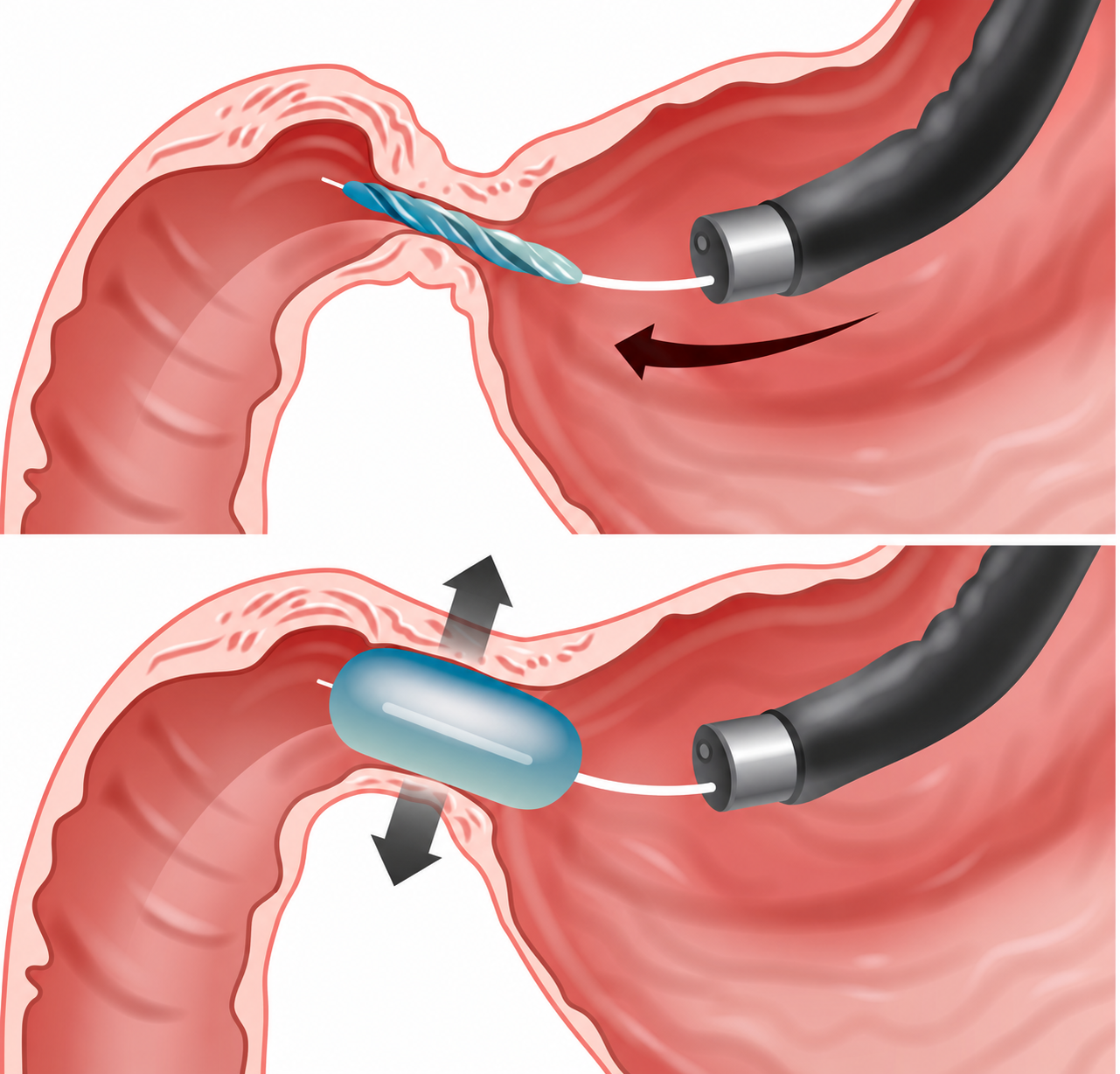
A Stricture Dilatation Procedure in Raipur is performed to carefully widen a narrowed section of the digestive tract. Depending on the location of the stricture, the procedure may involve the oesophagus, pyloric region, or colon.
The cause, location, length, severity, and characteristics of the narrowing are considered before treatment. Not every stricture requires the same type of intervention, and some patients may require additional investigation or treatment.
What Is Digestive Tract Stricture Dilatation?
A stricture is an abnormal narrowing of a passage within the digestive tract. It can develop because of inflammation, scarring, previous surgery, certain diseases, radiation, injury, or other underlying conditions. During Esophageal Stricture Dilatation in Raipur, a narrowed area of the oesophagus is carefully widened to improve the passage of food and liquids. Pyloric Stricture Dilatation in Raipur is used for selected cases where narrowing around the pylorus, the outlet of the stomach, interferes with the movement of stomach contents into the small intestine. Similarly, Colonic Stricture Dilatation in Raipur may be considered when a narrowed section of the colon causes symptoms or interferes with the normal passage of bowel contents. The method used for dilatation depends on the location and characteristics of the stricture. The doctor determines the most appropriate approach after evaluating the patient.
When May Stricture Dilatation Be Recommended?
A Stricture Dilatation Procedure in Raipur may be considered when a digestive tract narrowing causes symptoms or affects the normal passage of food or intestinal contents.
Symptoms may vary depending on the location of the stricture.
Symptoms Associated With Esophageal Strictures
- Difficulty swallowing solid foods
- Difficulty swallowing liquids in more advanced cases
- A sensation of food getting stuck
- Pain or discomfort while swallowing
- Regurgitation
- Unexplained weight loss in some patients
- Recurrent food impaction
Symptoms Associated With Pyloric Narrowing
- Persistent vomiting
- Feeling unusually full after eating
- Abdominal bloating
- Upper abdominal discomfort
- Reduced appetite
- Difficulty tolerating food
- Delayed emptying of the stomach
Symptoms Associated With Colonic Strictures
- Persistent abdominal discomfort
- Bloating
- Constipation
- Changes in bowel habits
- Difficulty passing stool or gas
- Abdominal distension
- Symptoms suggesting partial bowel obstruction
The presence of these symptoms does not automatically mean that a stricture is present. The doctor may recommend endoscopy, imaging, or other investigations to identify the underlying cause.
Esophageal, Pyloric & Colonic Stricture Dilatation at Dr Patel’s Gastro, Liver & Endoscopy Centre
At Dr Patel’s Gastro, Liver & Endoscopy Centre, Esophageal, Pyloric & Colonic Stricture Dilatation in Raipur is considered after evaluating the patient’s symptoms and available investigation reports.
Dr. Rootik Patel assesses the location and suspected cause of the narrowing before planning treatment.
Endoscopic examination may be used to directly evaluate the affected area. Depending on the findings, the doctor may perform dilatation using appropriate endoscopic techniques.
The treatment approach can differ significantly between an oesophageal, pyloric, and colonic stricture. The size and type of dilator, number of sessions, and follow-up requirements depend on the individual case.
Conditions That Can Cause Digestive Tract Strictures
Digestive tract strictures can develop for several reasons. Understanding the underlying cause is important because dilatation may address the narrowing but may not treat the condition that caused it.
Peptic and Acid-Related Esophageal Narrowing
Long-standing acid reflux can cause inflammation and scarring in the oesophagus. In some patients, this may result in narrowing that makes swallowing difficult. When clinically appropriate, endoscopic dilatation can help widen the narrowed area.
Esophageal Strictures After Inflammation or Injury
Oesophageal narrowing can also develop after certain injuries, inflammation, procedures, or other conditions affecting the oesophageal lining. The treatment plan depends on the cause, location, length, and severity of the narrowing.
Pyloric Narrowing and Gastric Outlet Obstruction
The pylorus controls the passage of stomach contents into the small intestine. Narrowing in this region can interfere with gastric emptying. Selected patients with pyloric narrowing may be considered for endoscopic dilatation after appropriate evaluation
Colonic Strictures Related to Inflammation
Inflammatory conditions affecting the colon can sometimes result in scarring and narrowing. In selected patients, endoscopic assessment and dilatation may be considered depending on the location and severity of the stricture.
Post-Surgical or Anastomotic Strictures
Narrowing can occasionally develop at a surgical connection between two sections of the digestive tract. The appropriate treatment depends on the site of the narrowing, symptoms, previous surgery, and the characteristics of the stricture.
Other Causes of Digestive Strictures
Strictures may also develop because of radiation-related changes, certain inflammatory disorders, previous interventions, or other underlying conditions. Some strictures require tissue evaluation or additional imaging before dilatation is performed.
Why Is Stricture Dilatation Performed?
The main purpose of Digestive Stricture Dilatation in Raipur is to widen a narrowed section of the digestive tract when the narrowing is causing symptoms or interfering with normal passage.
Depending on the location, dilatation may help:
- Improve swallowing through a narrowed oesophagus
- Improve the passage of stomach contents through a narrowed pyloric outlet
- Improve the passage of bowel contents through a selected colonic stricture
- Reduce symptoms related to obstruction
- Improve the functional opening of the narrowed segment
- Allow better passage through the affected area
The response to treatment can vary between patients. Some strictures may recur and require additional treatment or follow-up.
How Is Esophageal Stricture Dilatation Performed?
Esophageal Stricture Dilatation in Raipur is performed using an endoscope and appropriate dilatation equipment.
Step 1: Clinical Evaluation
The doctor reviews swallowing difficulties, previous endoscopy reports, medical history, medicines, and any known cause of the narrowing.
Step 2: Endoscopic Examination
An endoscope is introduced through the mouth to examine the oesophagus and identify the narrowed area.
Step 3: Selecting the Appropriate Dilatation Technique
Depending on the characteristics of the narrowing, an appropriate dilatation method is selected.
Step 4: Gradual Dilatation
The degree of dilatation depends on the condition and the doctor's assessment during the procedure.
Step 5: Reassessment of the Treated Area
After dilatation, the doctor examines the area again to assess the result and check for any immediate complications.
Step 6: Post-Procedure Guidance
The patient receives instructions regarding food, medicines, warning symptoms, and follow-up based on the procedure performed.
How Is Pyloric Stricture Dilatation Performed?
Pyloric Stricture Dilatation in Raipur is considered when narrowing at the stomach outlet interferes with the passage of gastric contents.
Step 1: Review of Symptoms and Previous Investigations
The doctor assesses symptoms such as vomiting, early fullness, bloating, and upper abdominal discomfort. Previous endoscopy and imaging reports are reviewed where available.
Step 2: Endoscopic Assessment
The endoscope is guided through the upper digestive tract to the stomach and pyloric region. The narrowed area is examined directly.
Step 3: Careful Dilatation
A suitable dilatation technique is used to gradually widen the narrowed pyloric passage. The approach depends on the severity and cause of the narrowing.
Step 4: Assessment After Dilatation
The doctor reassesses the area and determines whether further treatment or another session may be required.
Step 5: Follow-Up Planning
Further management depends on the underlying cause and the patient's response to treatment.
How Is Colonic Stricture Dilatation Performed?
Colonic Stricture Dilatation in Raipur may be considered for selected patients with a symptomatic narrowing of the colon.
Step 1: Medical and Endoscopic Review
The doctor reviews symptoms, bowel habits, previous procedures, imaging reports, and the suspected cause of the stricture.
Step 2: Locating the Narrowed Segment
A colonoscope or appropriate endoscopic instrument is used to reach and examine the affected area.
Step 3: Assessing the Stricture
The doctor evaluates the appearance, length, severity, and accessibility of the narrowing.
Step 4: Gradual Dilatation
When appropriate, the narrowed segment is carefully dilated using suitable equipment. The degree of dilatation depends on the individual case.
Step 5: Monitoring After the Procedure
The patient is monitored after the procedure and receives instructions regarding recovery and warning symptoms. Further treatment may be required if the narrowing returns or does not respond adequately.
How to Prepare for a Stricture Dilatation Procedure in Raipur
Preparation depends on which part of the digestive tract is being treated.
For an upper gastrointestinal procedure, patients are generally advised to fast for a specified period before the examination.
For a colonic procedure, bowel preparation may be required so the doctor can clearly examine the colon.
Before the procedure, inform the doctor about:
- Current medicines
- Blood-thinning medicines
- Diabetes medicines
- Drug allergies
- Previous reactions to sedation or anaesthesia
- Heart or lung conditions
- Previous gastrointestinal surgery
- Previous endoscopic procedures
- Bleeding or clotting problems
- Other significant medical conditions
Do not stop any regular medicine without medical advice. The medical team will explain which medicines need to be continued or adjusted.
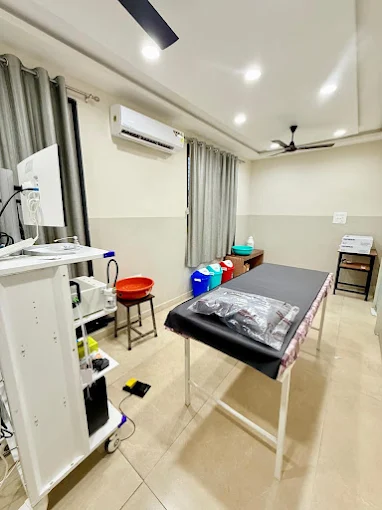
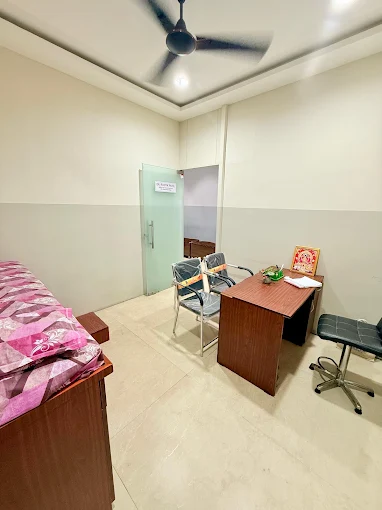
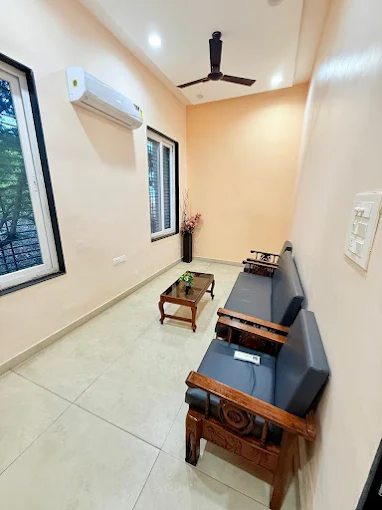
A space built for calm, Precision & Privacy
At Dr Patel’s Gastro, Liver and Endoscopy Centre, we provide specialized care for digestive, liver, and gastrointestinal conditions. From accurate diagnosis and medical treatment to advanced endoscopic procedures, Dr. Rootik Patel focuses on providing personalized care based on each patient’s symptoms and health needs.
Qualifications
- M.B.B.S.
- M.D. (Medicine),
- D.M. Gastroenterology
- Specialized Gastroenterology Care
- Qualified Gastroenterology Specialist
- Personalized Treatment Approach
- Focus on Long-Term Digestive Health
- Comprehensive Digestive & Liver Care
- Advanced Endoscopy Services
- Clear & Patient-Friendly Guidance
- Comfortable Patient Experience
Areas We Serve
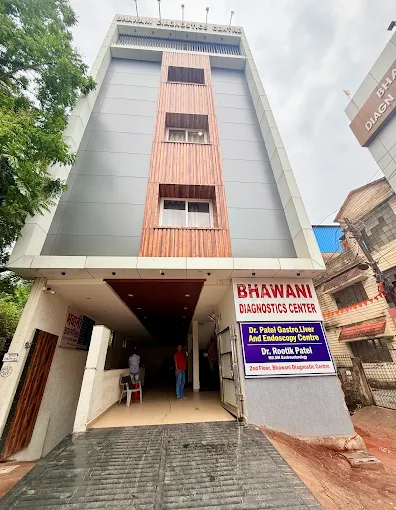
Address: Dr. Patel Gastro, Liver & Endoscopy Centre 2nd Floor , Bhawani Diagnostic Centre, Fafadih, Chowk, Raipur Rd, Raipur, Chhattisgarh 492001
Visit Our Clinic
Address: Dr. Patel Gastro, Liver & Endoscopy Centre 2nd Floor , Bhawani Diagnostic Centre, Fafadih, Chowk, Raipur Rd, Raipur, Chhattisgarh 492001
Phone: +91 62611 46572
Hours: Monday – Saturday – 4:30–7:30 pm
Google Maps: View Location
Frequently asked questions
1. What is liver disease?
2. What is a Stricture Dilatation Procedure in Raipur?
A Stricture Dilatation Procedure in Raipur is an endoscopic treatment used to carefully widen a narrowed section of the digestive tract when clinically appropriate.
3. What is Esophageal Stricture Dilatation in Raipur used for?
Esophageal Stricture Dilatation in Raipur may be used for selected oesophageal narrowings that cause difficulty swallowing or interfere with the passage of food and liquids.
4. What causes an esophageal stricture?
Oesophageal strictures can develop due to long-standing acid reflux and scarring, inflammation, previous injury, certain procedures, radiation, or other conditions. The underlying cause needs to be evaluated before treatment.
5. What is Pyloric Stricture Dilatation in Raipur?
Pyloric Stricture Dilatation in Raipur is an endoscopic procedure used in selected patients with narrowing of the pyloric region that interferes with the movement of stomach contents into the small intestine.
6. When is Colonic Stricture Dilatation recommended?
Colonic Stricture Dilatation in Raipur may be considered when a symptomatic narrowing of the colon interferes with the passage of bowel contents and endoscopic treatment is considered appropriate.
7. Can a stricture come back after dilatation?
Yes. Some strictures can recur after treatment, particularly when the underlying cause continues to affect the digestive tract. Some patients may therefore require follow-up or additional dilatation sessions.
8. Is stricture dilatation performed under sedation?
Sedation or anaesthesia may be used depending on the location of the stricture, the type of endoscopic procedure, and the patient’s clinical requirements.
9. What are the risks of stricture dilatation?
Potential risks include bleeding, perforation, infection, discomfort, recurrence of the narrowing, and reactions related to sedation or anaesthesia. The risks depend on the individual procedure and underlying condition.
10. Where can I consult for Stricture Dilatation in Raipur?
If you are looking for Stricture Dilatation in Raipur, you can consult Dr. Rootik Patel at Dr Patel’s Gastro, Liver & Endoscopy Centre, 2nd Floor, Bhawani Diagnostic Centre, Fafadih Chowk, Raipur, Chhattisgarh 492001.