Diagnostic and Therapeutic EUS in Raipur, Chhattisgarh
- Home
- Diagnostic and Therapeutic EUS in Raipur
Specialized Endoscopic Ultrasound for Digestive, Liver and Pancreatic Conditions
Some digestive conditions cannot be fully evaluated through symptoms, routine blood tests, or standard imaging alone. In selected cases, a closer examination of the digestive tract and nearby organs may be required to understand an abnormality more clearly.
If you are looking for Diagnostic and Therapeutic EUS in Raipur, Dr Patel’s Gastro, Liver & Endoscopy Centre provides endoscopic ultrasound-based evaluation and selected therapeutic procedures according to individual clinical requirements. Dr. Rootik Patel, M.B.B.S., M.D. (Medicine), D.M. (Gastroenterology), reviews the patient’s symptoms, medical history, laboratory reports, and previous imaging before deciding whether EUS is appropriate.
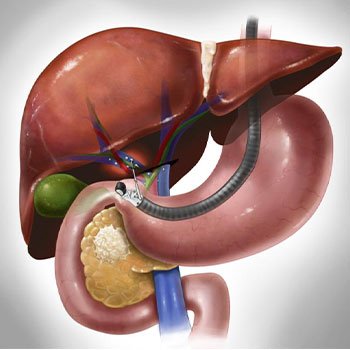
Endoscopic Ultrasound in Raipur combines endoscopy with ultrasound imaging. A specialized endoscope with an ultrasound probe is used to obtain detailed images of the digestive tract and nearby structures such as the pancreas, bile ducts, gallbladder, liver, and surrounding tissues.
Depending on the findings and the reason for the examination, EUS may also allow the doctor to collect tissue or fluid samples and perform certain therapeutic procedures.
EUS is not required for every digestive complaint. The decision to perform the procedure depends on the suspected condition and the information that needs to be obtained.
What Is Endoscopic Ultrasound and How Does It Work?
Endoscopic ultrasound, commonly called EUS, is a minimally invasive procedure that combines endoscopy with high-frequency ultrasound imaging. During an EUS Procedure in Raipur, a flexible endoscope fitted with a small ultrasound transducer is guided through the digestive tract. Depending on the area being examined, the endoscope may be positioned in the oesophagus, stomach, or duodenum. The ultrasound component produces detailed images of the digestive tract wall and nearby organs. This can provide information about structures that may not be adequately assessed through a routine endoscopic examination alone. An EUS Test in Raipur may be used to evaluate abnormalities involving the pancreas, bile ducts, gallbladder, digestive tract wall, lymph nodes, and other structures close to the gastrointestinal tract. When clinically indicated, the doctor may also use EUS guidance to obtain a fine-needle sample from a suspicious lesion or lymph node for laboratory evaluation.
When May an EUS Test Be Recommended?
An EUS Test in Raipur may be considered when the doctor needs more detailed information about an abnormality identified through symptoms, blood tests, endoscopy, ultrasound, CT, MRI, or other investigations.
EUS may be useful in selected situations involving:
- Pancreatic cysts or solid pancreatic lesions
- Pancreatic abnormalities requiring further assessment
- Bile duct abnormalities
- Suspected bile duct stones
- Gallbladder lesions
- Abnormalities of the gastrointestinal tract wall
- Subepithelial or submucosal lesions
- Enlarged lymph nodes
- Certain gastrointestinal tumours or suspected lesions
- Evaluation of selected abnormalities seen on other imaging tests
- Selected conditions requiring tissue or fluid sampling
The need for EUS depends on the clinical question. In some patients, conventional ultrasound, CT, MRI, MRCP, endoscopy, or another investigation may provide sufficient information.
The doctor determines which investigation is most suitable after reviewing the patient’s individual case.
Diagnostic and Therapeutic EUS at Dr Patel’s Gastro, Liver & Endoscopy Centre
At Dr Patel’s Gastro, Liver & Endoscopy Centre, Diagnostic and Therapeutic EUS in Raipur is considered according to the patient’s symptoms, previous investigation reports, suspected diagnosis, and overall medical condition.
Dr. Rootik Patel explains the reason for recommending EUS and discusses what the examination may help identify.
The diagnostic component of EUS can provide detailed images of the digestive tract and nearby organs. When required and clinically appropriate, the procedure can also be used for tissue sampling or selected interventions.
The exact approach varies from patient to patient. Not every EUS examination requires a biopsy or therapeutic procedure.
Conditions That May Be Evaluated Through EUS
EUS can provide detailed information about several structures located within or near the gastrointestinal tract.
Pancreatic Conditions and Abnormalities
The pancreas can be difficult to assess completely through some conventional investigations. EUS provides close-range ultrasound images that can help evaluate selected pancreatic abnormalities. It may be considered for pancreatic cysts, focal lesions, inflammation-related changes, or other findings that require further assessment
Bile Duct and Gallbladder Problems
EUS can provide detailed views of the bile ducts and gallbladder in selected patients. It may help evaluate suspected bile duct stones, sludge, gallbladder lesions, or abnormalities identified on other imaging studies.
Gastrointestinal Wall Lesions
Some abnormalities develop within the layers of the gastrointestinal tract wall and may not be clearly characterized by a standard endoscopic examination. EUS can help determine the depth and appearance of such lesions and may assist in deciding whether further testing or tissue sampling is needed.
Enlarged Lymph Nodes
EUS can identify and characterize certain lymph nodes located near the digestive tract. When clinically indicated, the doctor may use EUS guidance to obtain a tissue sample from a selected lymph node for further evaluation.
Pancreatic Cysts
Pancreatic cysts can have different causes and characteristics. EUS can provide detailed information about the cyst and its surrounding structures. In selected cases, fluid may be collected for laboratory analysis when the doctor considers sampling appropriate.
Suspected Gastrointestinal Tumours
When a suspicious lesion is identified, EUS can help assess its location, size, depth, and relationship with surrounding structures. In selected cases, tissue sampling may be performed under EUS guidance to assist with diagnosis.
Why Detailed EUS Imaging Can Be Helpful
Routine endoscopy mainly provides a view of the inner surface of the digestive tract. EUS adds ultrasound imaging, allowing the doctor to examine deeper layers and structures located close to the gastrointestinal tract.
Diagnostic EUS in Raipur may help with:
- Detailed evaluation of the gastrointestinal tract wall
- Assessment of pancreatic abnormalities
- Examination of bile ducts and gallbladder
- Evaluation of selected lymph nodes
- Characterization of certain cysts and lesions
- Assessment of the depth of selected gastrointestinal abnormalities
- Guidance for tissue or fluid sampling when required
EUS findings are interpreted together with symptoms, medical history, laboratory tests, and previous imaging rather than being considered in isolation.
How Is the EUS Procedure Performed?
An EUS Procedure in Raipur involves several stages. The exact process depends on the part of the digestive system being examined and whether a diagnostic or therapeutic intervention is required.
Step 1: Medical Assessment Before EUS
The doctor reviews your symptoms, previous reports, medicines, allergies, medical conditions, and the reason EUS has been recommended.
Step 2: Preparation for the Examination
The medical team provides instructions regarding fasting, medicines, arrival time, and other preparation requirements.
Step 3: Sedation or Anaesthesia
EUS is generally performed with appropriate sedation or anaesthesia to help the patient remain comfortable.
Step 4: Introduction of the EUS Endoscope
The flexible endoscope is carefully guided through the mouth and upper digestive tract when an upper gastrointestinal EUS is planned.
Step 5: Ultrasound Examination
The ultrasound transducer at the end of the endoscope produces detailed images of the digestive tract wall and nearby structures.
Step 6: Tissue or Fluid Sampling When Required
If a suspicious lesion, lymph node, or cyst requires further assessment, a sample may be collected under EUS guidance. The sample is then sent for appropriate laboratory analysis when indicated.
Step 7: Therapeutic Intervention When Appropriate
In selected cases, EUS can assist with certain therapeutic procedures. The type of intervention depends on the patient's condition and the findings during the examination.
Diagnostic EUS and Tissue Sampling
One of the important uses of Diagnostic EUS in Raipur is helping the doctor obtain more information about abnormalities that cannot be adequately characterized through imaging or standard endoscopy alone.
EUS-guided tissue sampling may be considered when a lesion or lymph node needs pathological evaluation.
A fine needle may be guided through the endoscope and ultrasound imaging toward the selected area. The collected material is then examined in the laboratory.
Whether tissue sampling is required depends on the suspected diagnosis and the findings.
Not every abnormality requires a biopsy, and the doctor decides whether sampling would provide useful information.
Therapeutic EUS for Selected Conditions
Therapeutic EUS in Raipur refers to selected procedures where EUS imaging is used to guide treatment rather than only examination.
Depending on the clinical situation and available expertise, EUS may assist with certain drainage procedures, tissue sampling, or other interventions.
Therapeutic EUS is considered only when it is clinically appropriate. The exact procedure depends on the underlying condition, anatomy, previous treatment, and the expected benefit.
The doctor discusses the purpose and nature of any therapeutic intervention before proceeding.
How to Prepare for an EUS Procedure in Raipur
Preparation is an important part of an EUS Procedure in Raipur. The medical team provides specific instructions according to the type of examination and any additional procedure planned.
Before EUS, inform the doctor about:
- All medicines you currently take
- Blood-thinning medicines
- Diabetes medicines
- Drug allergies
- Contrast-related allergies or previous reactions
- Previous reactions to sedation or anaesthesia
- Heart or lung conditions
- Bleeding or clotting problems
- Previous gastrointestinal procedures
- Other significant medical conditions
You may need to remain fasting for a specified period before the procedure.
Do not stop prescription medicines without medical advice. The doctor will explain whether any medicines need to be adjusted before EUS.
What to Expect During an EUS Examination
An EUS in Raipur is performed in a controlled medical setting with appropriate monitoring.
After preparation, sedation or anaesthesia is provided as required. The endoscope is then guided through the digestive tract to the area being examined.
The doctor uses the ultrasound component to obtain detailed images of the digestive tract wall and nearby structures.
If tissue or fluid sampling is required, it may be performed during the same procedure when appropriate.
The duration of EUS varies depending on the reason for the examination and whether any additional intervention is performed.
Recovery and Aftercare Following EUS
After an EUS examination, patients are monitored while the effects of sedation or anaesthesia wear off.
Some patients may experience temporary throat discomfort, bloating, or mild abdominal discomfort.
If a biopsy or therapeutic procedure has been performed, the medical team may provide additional instructions regarding food, medicines, activity, and follow-up.
Because sedation may temporarily affect alertness and coordination, patients should follow the medical team’s advice regarding travel and activities after the procedure.
The doctor may discuss the initial findings after the examination. If tissue or fluid has been collected, laboratory processing may take additional time.
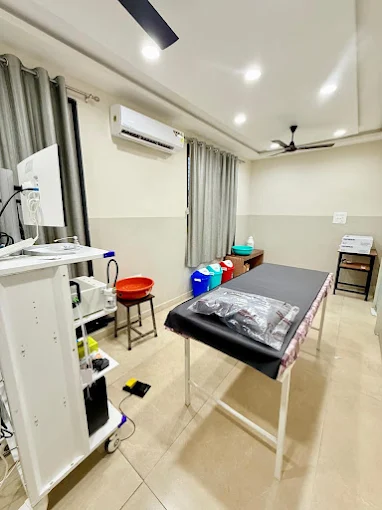
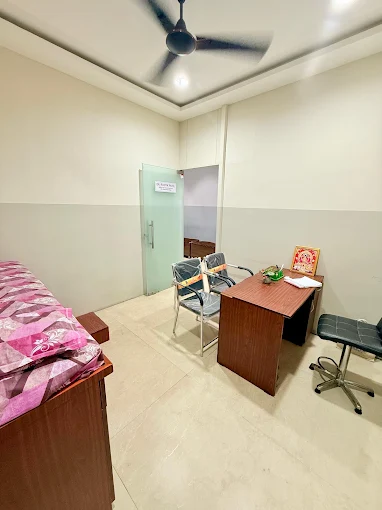
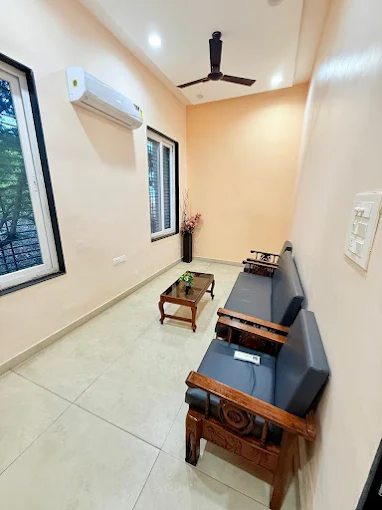
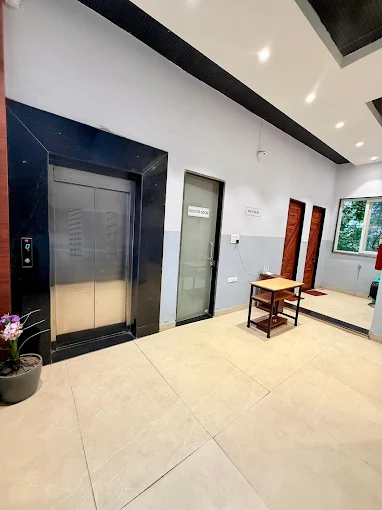
A space built for calm, Precision & Privacy
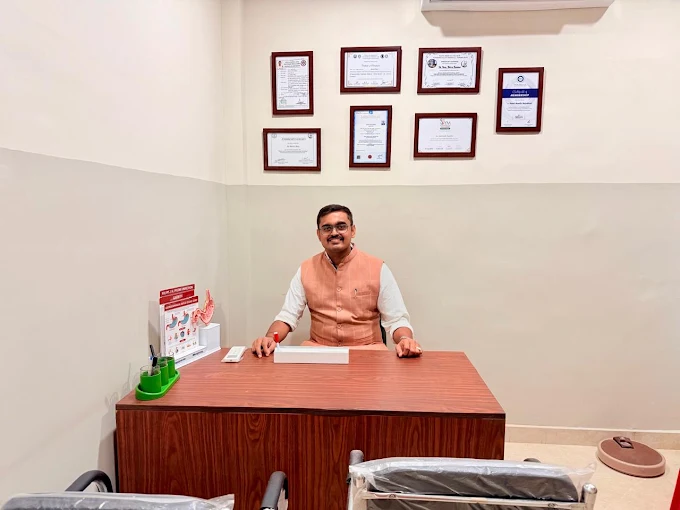
At Dr Patel’s Gastro, Liver and Endoscopy Centre, we provide specialized care for digestive, liver, and gastrointestinal conditions. From accurate diagnosis and medical treatment to advanced endoscopic procedures, Dr. Rootik Patel focuses on providing personalized care based on each patient’s symptoms and health needs.
Qualifications
- M.B.B.S.
- M.D. (Medicine),
- D.M. Gastroenterology
- Specialized Gastroenterology Care
- Qualified Gastroenterology Specialist
- Personalized Treatment Approach
- Focus on Long-Term Digestive Health
- Comprehensive Digestive & Liver Care
- Advanced Endoscopy Services
- Clear & Patient-Friendly Guidance
- Comfortable Patient Experience
Areas We Serve
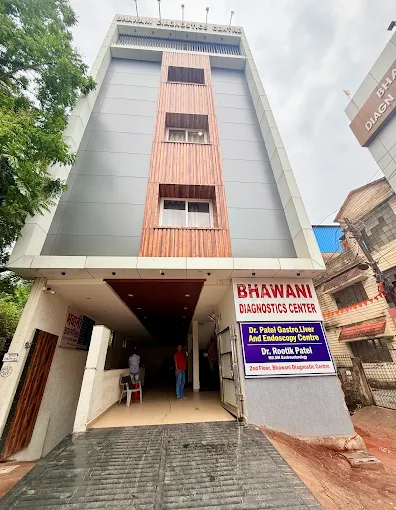
Address: Dr. Patel Gastro, Liver & Endoscopy Centre 2nd Floor , Bhawani Diagnostic Centre, Fafadih, Chowk, Raipur Rd, Raipur, Chhattisgarh 492001
Visit Our Clinic
Address: Dr. Patel Gastro, Liver & Endoscopy Centre 2nd Floor , Bhawani Diagnostic Centre, Fafadih, Chowk, Raipur Rd, Raipur, Chhattisgarh 492001
Phone: +91 62611 46572
Hours: Monday – Saturday – 4:30–7:30 pm
Google Maps: View Location
Frequently asked questions
1. What is Diagnostic and Therapeutic EUS?
Diagnostic and Therapeutic EUS combines endoscopy with ultrasound imaging to examine the digestive tract and nearby organs. It can also assist with selected procedures such as tissue sampling or therapeutic interventions when clinically appropriate.
2. When is an EUS Test in Raipur recommended?
An EUS Test in Raipur may be recommended when the doctor needs detailed information about an abnormality involving the pancreas, bile ducts, gallbladder, gastrointestinal wall, lymph nodes, or another nearby structure.
3. What conditions can EUS help evaluate?
EUS can help evaluate selected pancreatic cysts and lesions, bile duct abnormalities, gallbladder lesions, gastrointestinal wall abnormalities, enlarged lymph nodes, and certain suspected tumours.
4. What happens during an EUS Procedure in Raipur?
During an EUS Procedure in Raipur, a flexible endoscope with an ultrasound probe is guided through the digestive tract. The ultrasound component creates detailed images of the digestive tract and nearby organs.
5. Can EUS be used to take a biopsy?
Yes. When clinically indicated, EUS can guide a fine-needle tissue sample from selected lesions or lymph nodes. The sample is then sent for laboratory evaluation.
6. What is the difference between Diagnostic EUS and Therapeutic EUS?
Diagnostic EUS in Raipur is primarily used to obtain detailed images and evaluate abnormalities. Therapeutic EUS in Raipur refers to selected procedures in which EUS guidance is used to assist with treatment or intervention.
7. Is EUS painful?
EUS is generally performed with sedation or anaesthesia to improve patient comfort. Some temporary throat or abdominal discomfort may occur afterward, depending on the procedure performed.
8. How should I prepare for EUS?
You may need to fast for a specified period before the examination. Tell your doctor about your medicines, blood-thinning drugs, allergies, medical conditions, and previous reactions to sedation or anaesthesia. Follow the preparation instructions provided by your medical team.
9. What are the risks of EUS?
Potential risks can include temporary discomfort, bleeding, infection, perforation, sedation-related reactions, and complications associated with additional procedures such as tissue sampling or therapeutic intervention.
10. Where can I consult an EUS Doctor in Raipur?
If you are looking for an EUS Doctor in Raipur, you can consult Dr. Rootik Patel at Dr Patel’s Gastro, Liver & Endoscopy Centre, 2nd Floor, Bhawani Diagnostic Centre, Fafadih Chowk, Raipur, Chhattisgarh 492001.