ERCP in Raipur, Chhattisgarh
- Home
- ERCP in Raipur
ERCP Treatment for Bile Duct and Pancreatic Disorders
Problems affecting the bile ducts and pancreatic ducts can sometimes lead to abdominal pain, jaundice, vomiting, digestive discomfort, or abnormal liver test results. In certain situations, a specialized endoscopic procedure may be needed to understand the cause of these problems and provide treatment.
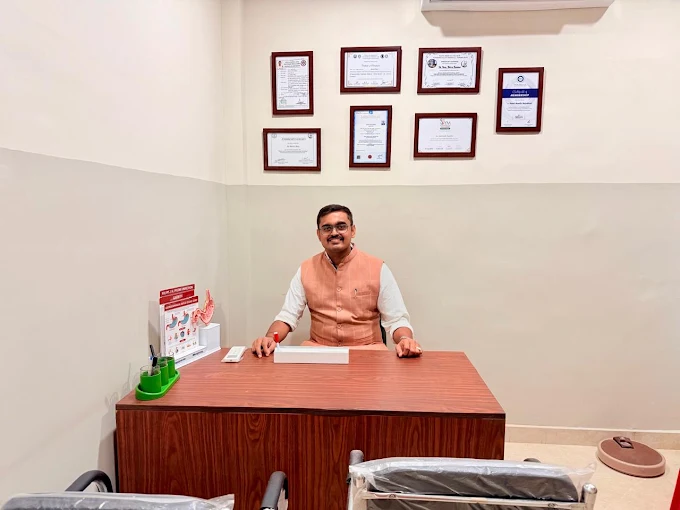
If you are looking for ERCP in Raipur, Dr Patel’s Gastro, Liver & Endoscopy Centre provides evaluation and endoscopic care based on the individual clinical condition of the patient. Dr. Rootik Patel, M.B.B.S., M.D. (Medicine), D.M. (Gastroenterology), reviews symptoms, medical history, blood reports, imaging findings, and previous investigations before deciding whether ERCP is appropriate.
An ERCP Procedure in Raipur uses an endoscope along with X-ray imaging to examine the bile ducts and pancreatic ducts. When required, the procedure can also be used for treatments such as removing bile duct stones, opening narrowed ducts, placing or removing stents, or addressing certain blockages.
ERCP is not a routine test for every digestive complaint. It is generally considered when the clinical situation suggests that direct evaluation or treatment of the bile or pancreatic ducts may be required.
What Is an ERCP Procedure and How Does It Help?
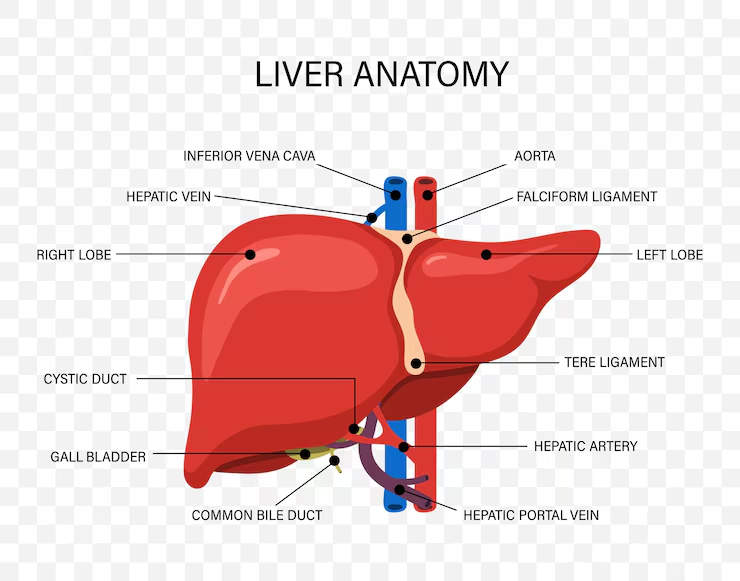
ERCP stands for Endoscopic Retrograde Cholangiopancreatography. It is a specialized procedure used to examine and treat selected conditions affecting the bile ducts and pancreatic ducts. During the procedure, a flexible endoscope is passed through the mouth and digestive tract until it reaches the duodenum. The doctor then accesses the opening through which the bile and pancreatic ducts drain. Contrast material and X-ray imaging may be used to visualize these ducts. An ERCP Test in Raipur may provide important information about a blockage, narrowing, stone, leak, or other abnormality. Unlike some purely diagnostic investigations, ERCP can also allow treatment to be performed during the same procedure when clinically appropriate. Depending on the condition, treatment may include stone removal, sphincterotomy, stricture dilatation, biliary stent placement, stent removal or exchange, and selected tissue or fluid sampling. The exact approach depends on the patient’s symptoms, investigation findings, and the suspected condition.
When Is ERCP Treatment in Raipur Recommended?
ERCP may be recommended when a patient has a suspected problem involving the bile ducts or pancreatic ducts that requires further evaluation or endoscopic treatment.
Some situations in which ERCP may be considered include:
- Suspected stones in the common bile duct
- Bile duct obstruction
- Obstructive jaundice
- Bile duct narrowing or strictures
- Certain bile duct leaks
- Selected pancreatic duct disorders
- Abnormal findings on imaging
- Recurrent problems related to biliary obstruction
- Certain complications involving previously placed biliary stents
- Conditions where endoscopic treatment is required
Before recommending an ERCP Treatment in Raipur, the doctor considers the complete clinical picture. Blood tests, ultrasound, CT scan, MRI, MRCP, or other investigations may be performed first depending on the patient’s condition.
ERCP is generally reserved for situations where its potential diagnostic or therapeutic benefit justifies the procedure.
ERCP Procedure in Raipur at Dr Patel’s Gastro, Liver & Endoscopy Centre
At Dr Patel’s Gastro, Liver & Endoscopy Centre, an ERCP Procedure in Raipur is planned according to the patient’s symptoms, investigation findings, and medical history.
Dr. Rootik Patel evaluates the available reports and explains why ERCP may be required. The patient is also informed about preparation, the procedure itself, possible treatment options, and relevant risks.
The purpose of ERCP can vary from one patient to another. In some cases, the main objective is to remove a stone from the bile duct. In others, the procedure may be used to relieve an obstruction, treat a narrowing, or manage a biliary stent.
Conditions That May Require ERCP
Sigmoidoscopy can be useful in evaluating certain conditions affecting the lower part of the digestive tract.
Removing Bile Duct Stones Through ERCP
Gallstones can sometimes move from the gallbladder into the common bile duct. A stone lodged in the bile duct may interfere with normal bile drainage and can cause pain, jaundice, infection, or abnormal liver function tests. Gallstone Removal in Raipur may be performed through ERCP when a stone is located in the bile duct and endoscopic removal is considered appropriate. The doctor may make a small opening at the duct outlet and use specialized instruments to remove the stone. The exact technique depends on the size, number, and location of the stones.
Treating Bile Duct Blockages and Obstructions
A blocked bile duct can prevent bile from reaching the intestine normally. This may result in jaundice, dark urine, pale stools, itching, abdominal discomfort, or abnormal liver tests. An Endoscopic Biliary Procedure in Raipur may be used to identify the obstruction and, when appropriate, relieve it through stone removal, dilatation, or stent placement.
ERCP Evaluation for Obstructive Jaundice
Obstructive jaundice occurs when bile flow is restricted. Causes may include bile duct stones, strictures, inflammation, or other conditions affecting the biliary system. ERCP may be considered when imaging and clinical findings indicate that an obstruction needs endoscopic treatment or further direct evaluation. The treatment depends on the underlying cause rather than the jaundice itself.
Managing Bile Duct Strictures and Narrowing
A bile duct stricture is an area where the duct becomes narrowed. This can interfere with normal bile flow. Depending on the cause and severity, treatment may involve dilating the narrowed area and placing a biliary stent to help maintain drainage. The decision is based on the patient's overall condition and the findings during evaluation.
Treatment of Bile Duct Leaks
Bile leakage can occur in certain clinical situations, including after some surgical procedures or injuries to the biliary system. In selected cases, ERCP can help identify the site of leakage and facilitate treatment by improving bile drainage through the normal pathway. The appropriate treatment depends on the location and severity of the leak.
Pancreatic Duct Problems That May Need ERCP
Certain pancreatic duct abnormalities may require endoscopic evaluation or treatment. These can include selected duct strictures, leaks, stones, or other abnormalities. ERCP is not required for every pancreatic condition. Other imaging techniques may be preferred depending on the clinical question.
How ERCP Can Help in the Management of Biliary Problems
One of the important advantages of ERCP is that it can combine duct evaluation with treatment when a suitable abnormality is identified.
An ERCP Treatment in Raipur may help in selected situations by:
- Removing stones from the bile duct
- Improving bile drainage
- Opening certain narrowed ducts
- Placing a biliary stent
- Removing or exchanging selected stents
- Managing certain bile duct leaks
- Obtaining tissue or fluid samples when required
- Addressing selected pancreatic duct abnormalities
ERCP is a specialized procedure and is used selectively. The doctor determines whether it is appropriate after reviewing the patient’s symptoms, investigations, and overall health.
How Is the ERCP Procedure Performed?
An ERCP Procedure in Raipur involves several stages. The exact steps may vary depending on the patient’s condition and the treatment required.
Step 1: Reviewing Your Medical History and Reports
Before ERCP, the doctor reviews symptoms, previous procedures, medical conditions, medicines, blood test results, and imaging reports. Information about blood-thinning medicines, allergies, diabetes, heart or lung conditions, and previous reactions to sedation or contrast should be shared with the medical team.
Step 2: Preparing for the ERCP Procedure
The patient generally needs to remain fasting for a specified period before the procedure. The doctor provides instructions regarding food, fluids, medicines, and arrival time. Specific instructions can vary depending on the patient's medical condition.
Step 3: Sedation and Patient Monitoring
ERCP is usually performed with sedation or anaesthesia so that the patient remains comfortable during the examination. The medical team monitors relevant vital signs throughout the procedure.
Step 4: Guiding the Endoscope to the Duodenum
A flexible endoscope is passed through the mouth, oesophagus, and stomach into the first part of the small intestine, known as the duodenum. The doctor identifies the opening of the bile and pancreatic ducts.
Step 5: Examining the Bile and Pancreatic Ducts
Contrast material may be introduced into the ducts, and X-ray imaging is used to visualize their structure. This can help identify abnormalities such as stones, narrowing, blockage, or leakage.
Step 6: Performing the Required Endoscopic Treatment
If treatment is required, the doctor may remove a stone, widen a narrowed area, place a stent, remove or exchange a stent, or perform another appropriate intervention. The treatment performed depends entirely on the findings and the patient's clinical requirements.
ERCP Treatment Options for Bile Duct Conditions
The treatment performed during ERCP depends on the specific abnormality identified.
Gallstone Removal in Raipur Through ERCP
When stones are present in the common bile duct, they may sometimes be removed endoscopically. Specialized instruments can be passed through the endoscope to assist with stone extraction. Larger or difficult stones may require additional techniques depending on the clinical situation.
Dilatation of Narrowed Bile Ducts
If the bile duct is significantly narrowed, the doctor may use specialized instruments to carefully widen the affected area. In some situations, a stent may also be placed to support drainage.
Tissue and Fluid Sampling When Required
In selected situations, the doctor may collect tissue or fluid for further laboratory assessment. Whether sampling is required depends on the findings and the clinical question being investigated.
Biliary Stent Placement for Blocked Ducts
A biliary stent is a small tube placed inside the bile duct to help maintain bile drainage. Stents may be used in selected cases involving obstruction or narrowing. The type and duration of stent placement depend on the underlying condition.
Biliary Stent Removal or Exchange
Some patients require a previously placed biliary stent to be removed or exchanged. The timing and method depend on the type of stent, the reason it was placed, and the patient's follow-up plan.
How to Prepare for an ERCP Test in Raipur
Preparation is an important part of an ERCP Test in Raipur. Proper preparation helps the medical team perform the procedure safely and plan the appropriate treatment.
Before the procedure, inform the doctor about:
- Current medicines
- Blood-thinning medicines
- Diabetes medicines
- Drug or contrast allergies
- Previous reactions to anaesthesia or sedation
- Heart or lung conditions
- Previous abdominal or biliary procedures
- Other significant medical conditions
You may be asked to avoid food and certain fluids for a specified period before ERCP.
Do not stop regular medicines on your own. The medical team will advise you about which medicines should be continued, adjusted, or temporarily withheld.
What to Expect During an ERCP Procedure in Raipur
An ERCP Procedure in Raipur is performed in a controlled medical setting with appropriate monitoring.
After preparation, sedation or anaesthesia is administered as required. The endoscope is then guided through the upper digestive tract to the duodenum.
The doctor accesses the bile or pancreatic duct and uses imaging to identify the relevant abnormality. If treatment is required, it may be performed during the same procedure.
Patients may experience temporary throat discomfort, bloating, or abdominal discomfort afterward. The medical team provides post-procedure instructions according to the individual situation.
Why Experience Matters When Choosing an ERCP Doctor in Raipur
ERCP requires specialized knowledge of the digestive, biliary, and pancreatic systems. The procedure may involve both diagnosis and treatment, making appropriate patient selection and procedure planning important.
When choosing an ERCP Doctor in Raipur, patients may consider the doctor’s gastroenterology qualifications, experience with endoscopic procedures, explanation of the treatment plan, and availability of appropriate follow-up.
Careful Evaluation Before the Procedure
The patient's symptoms, medical history, blood tests, imaging, and previous treatment are reviewed before deciding whether ERCP is appropriate.
Planning the Right Endoscopic Treatment
The procedure is planned according to the suspected condition and the treatment that may be required.
Clear Explanation of the Procedure
Patients should understand why ERCP has been recommended, what it may involve, and what preparation is required.
Gastroenterology Expertise
Dr. Rootik Patel holds M.B.B.S., M.D. (Medicine), and D.M. (Gastroenterology) qualifications and provides gastroenterology consultation and endoscopic care.
Biliary and Digestive Disease Care
Biliary conditions often overlap with liver, gallbladder, pancreatic, and digestive disorders. A gastroenterology-based evaluation helps consider these conditions together.
Follow-Up After ERCP
Follow-up may be important after procedures involving biliary stents, strictures, stones, or other treated conditions. The doctor determines the appropriate follow-up based on the patient's case.
When ERCP May Not Be the First Investigation
Not every patient with abdominal pain, jaundice, or abnormal liver tests requires ERCP.
Depending on the clinical situation, the doctor may first recommend blood tests, ultrasound, CT, MRI, or MRCP. These investigations can provide useful information without directly entering the bile or pancreatic ducts.
An ERCP Test in Raipur is generally considered when the expected benefit of direct duct evaluation or treatment is appropriate for the patient’s condition.
The choice of investigation depends on symptoms, examination findings, previous reports, and the suspected diagnosis.
Choosing the Right Bile Duct Treatment in Raipur
Bile duct problems can have different causes, and treatment needs to be tailored accordingly.
If you are considering Bile Duct Treatment in Raipur, it is important to first understand the underlying cause of the obstruction, narrowing, stone, or other abnormality.
Some patients may require medicines or observation, while others may need an endoscopic procedure such as ERCP. In certain cases, surgical treatment or another specialist intervention may be more appropriate.
A gastroenterology consultation can help determine the next suitable step based on the available clinical information.
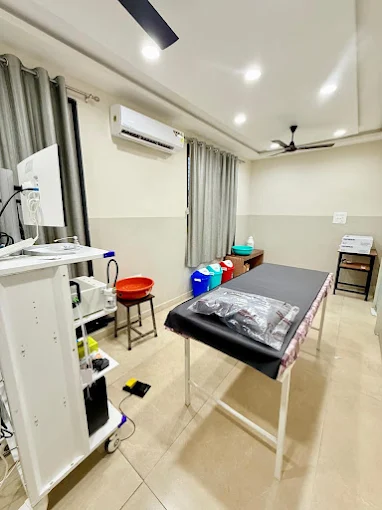
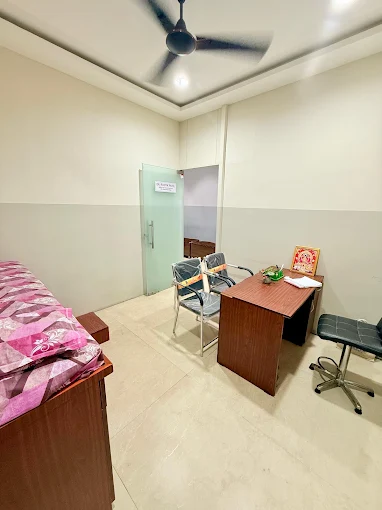
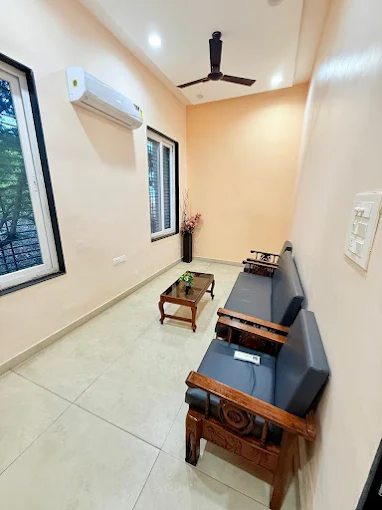
A space built for calm, Precision & Privacy
At Dr Patel’s Gastro, Liver and Endoscopy Centre, we provide specialized care for digestive, liver, and gastrointestinal conditions. From accurate diagnosis and medical treatment to advanced endoscopic procedures, Dr. Rootik Patel focuses on providing personalized care based on each patient’s symptoms and health needs.
Qualifications
- M.B.B.S.
- M.D. (Medicine),
- D.M. Gastroenterology
- Specialized Gastroenterology Care
- Qualified Gastroenterology Specialist
- Personalized Treatment Approach
- Focus on Long-Term Digestive Health
- Comprehensive Digestive & Liver Care
- Advanced Endoscopy Services
- Clear & Patient-Friendly Guidance
- Comfortable Patient Experience
Areas We Serve
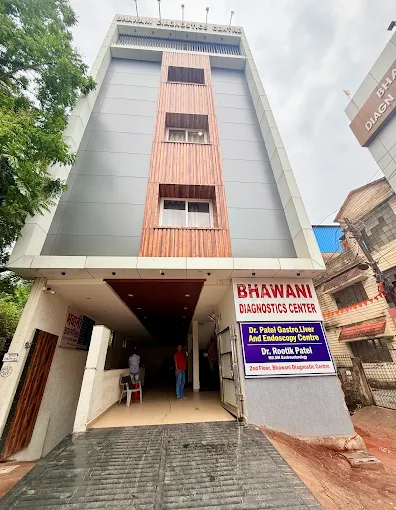
Address: Dr. Patel Gastro, Liver & Endoscopy Centre 2nd Floor , Bhawani Diagnostic Centre, Fafadih, Chowk, Raipur Rd, Raipur, Chhattisgarh 492001
Visit Our Clinic
Address: Dr. Patel Gastro, Liver & Endoscopy Centre 2nd Floor , Bhawani Diagnostic Centre, Fafadih, Chowk, Raipur Rd, Raipur, Chhattisgarh 492001
Phone: +91 62611 46572
Hours: Monday – Saturday – 4:30–7:30 pm
Google Maps: View Location
Frequently asked questions
1. What is ERCP and why is it performed?
ERCP is a specialized endoscopic procedure used to examine and treat selected problems involving the bile ducts and pancreatic ducts. It may be used for conditions such as bile duct stones, blockages, strictures, leaks, and certain pancreatic duct problems.
2. When is an ERCP Test in Raipur recommended?
An ERCP Test in Raipur may be recommended when investigations suggest a bile duct or pancreatic duct problem that may require direct evaluation or endoscopic treatment. The doctor determines whether ERCP is appropriate after reviewing the patient’s clinical information.
3. Which conditions can be treated with ERCP?
ERCP can be used for selected conditions including bile duct stones, certain blockages, strictures, bile duct leaks, and some pancreatic duct abnormalities. The exact treatment depends on the condition identified.
4. Can Gallstone Removal in Raipur be performed through ERCP?
Yes. When gallstones have moved into the common bile duct, Gallstone Removal in Raipur may sometimes be performed through ERCP. The doctor determines whether endoscopic removal is suitable based on the stone and the patient’s condition.
5. What is involved in an ERCP Procedure in Raipur?
During an ERCP Procedure in Raipur, an endoscope is passed through the mouth into the duodenum. The bile or pancreatic ducts are accessed, contrast and X-ray imaging may be used, and treatment can be performed when required.
6. Is ERCP used for diagnosis or treatment?
ERCP can provide information about the bile and pancreatic ducts, but its major role is often therapeutic. It can allow treatments such as stone removal, stent placement, and treatment of selected duct strictures or leaks.
7. How should I prepare before ERCP?
You will generally need to fast for a specified period before the procedure. Tell your doctor about all medicines, allergies, medical conditions, and previous reactions to sedation or anaesthesia. Follow the specific instructions provided by your medical team.
8. Is ERCP performed under sedation or anaesthesia?
ERCP is generally performed with sedation or anaesthesia to help the patient remain comfortable. The appropriate approach depends on the procedure, patient’s health, and clinical requirements.
9. What are the possible risks of ERCP?
Potential risks include pancreatitis, bleeding, infection, perforation, reactions to sedation or contrast, and complications related to biliary stents. The doctor discusses relevant risks before the procedure.
10. Where can I consult an ERCP Doctor in Raipur?
If you are looking for an ERCP Doctor in Raipur, you can consult Dr. Rootik Patel at Dr Patel’s Gastro, Liver & Endoscopy Centre, 2nd Floor, Bhawani Diagnostic Centre, Fafadih Chowk, Raipur, Chhattisgarh 492001.