Obstructive Jaundice Evaluation in Raipur
- Home
- Obstructive Jaundice Evaluation
Professional Obstructive Jaundice Care for Better Liver and Digestive Health
Obstructive Jaundice Evaluation in Raipur
Yellowing of the eyes or skin can sometimes be a sign that bile is not flowing normally from the liver to the intestine. This condition is known as jaundice. When a blockage affects the bile ducts, it may lead to obstructive jaundice and can sometimes cause abdominal pain, dark urine, pale stools, itching, nausea, or fever.
An Obstructive Jaundice Evaluation in Raipur can help a gastroenterologist understand whether a blockage is present and identify its possible cause.
At Dr Patel’s Gastro, Liver and Endoscopy Centre, patients can receive specialized gastroenterology consultation and guidance for jaundice and bile duct-related concerns. Dr. Rootik Patel, M.B.B.S., M.D. (Medicine), D.M., provides gastroenterology care with a focus on understanding symptoms, reviewing medical history, and recommending suitable diagnostic tests and treatment when required.
If your doctor has advised an Obstructive Jaundice Evaluation in Raipur, our team can explain the possible causes, required tests, treatment options, and follow-up care in simple language.
What Is Obstructive Jaundice?
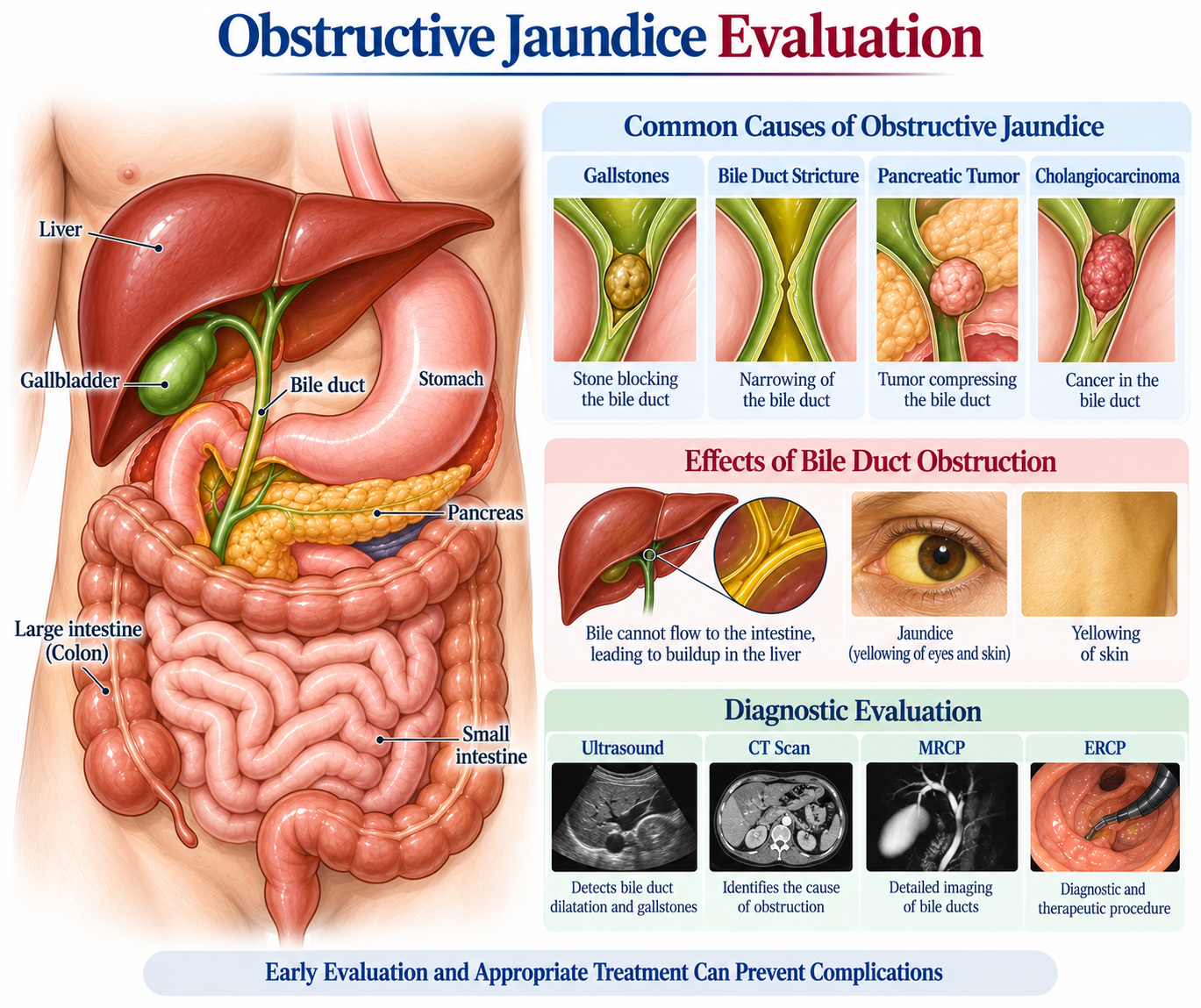
Obstructive jaundice occurs when the normal flow of bile from the liver is blocked. Bile normally travels through the bile ducts toward the small intestine. If a duct becomes blocked or narrowed, bile can build up in the body and cause yellowing of the skin or whites of the eyes. A blockage may happen because of gallstones, narrowing of the bile ducts, inflammation, or other conditions affecting the biliary system. Some blockages may also be related to growths or diseases involving nearby organs. Obstructive Jaundice Evaluation in Raipur helps the doctor identify whether the jaundice is related to a bile duct blockage and determine what additional tests or treatment may be required.
What Are the Common Symptoms of Obstructive Jaundice?
The symptoms can vary depending on the cause and location of the blockage.
Common symptoms may include:
- Yellowing of the eyes or skin
- Dark-coloured urine
- Pale or clay-coloured stools
- Itching
- Upper abdominal pain
- Nausea or vomiting
- Fever or chills
- Loss of appetite
- Tiredness
- Unexplained weight loss in some cases
A person with jaundice does not always have obstructive jaundice. Liver diseases, blood-related conditions, and other health problems can also cause jaundice. A proper medical evaluation is important to identify the cause.
Why Choose Dr Patel's Gastro, Liver and Endoscopy Centre?
Choosing the right centre for jaundice and bile duct evaluation is an important decision. At Dr Patel’s Gastro, Liver and Endoscopy Centre, the focus is on specialized gastroenterology care, clear communication, and patient comfort.
Patients looking for the Best Obstructive Jaundice Evaluation in Raipur should consider factors such as the qualifications of the gastroenterologist, appropriate diagnostic testing, understanding of the underlying cause, and suitable follow-up care.
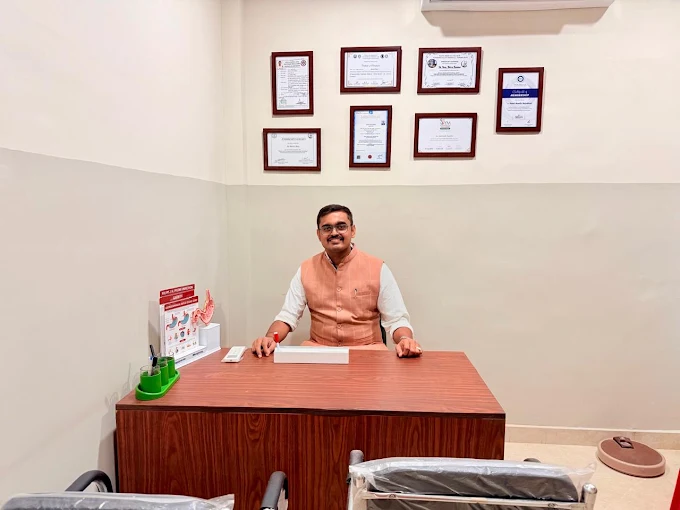
At our centre, patients can discuss their symptoms and concerns with Dr. Rootik Patel, who holds M.B.B.S., M.D. (Medicine), and D.M. qualifications in Medical Gastroenterology.
Our approach includes:
Specialist Gastroenterology Consultation
Before recommending tests, the patient’s symptoms, medical history, medicines, previous reports, and examination findings can be reviewed carefully.
Clear Explanation
Patients are informed about jaundice, possible bile duct blockage, diagnostic tests, treatment options, and follow-up requirements in simple language.
Personalized Medical Guidance
Every patient is different. The evaluation plan depends on the patient’s symptoms, blood test results, imaging findings, medical history, and suspected cause.
Digestive and Liver Care
The centre also focuses on gastrointestinal and liver-related concerns, allowing patients to discuss a wider range of digestive and liver health problems with a gastroenterology specialist.
How Does Obstructive Jaundice Evaluation Work?
An Obstructive Jaundice Evaluation in Raipur usually begins with a detailed medical consultation.
The doctor will ask about the colour of your eyes and skin, urine and stool colour, abdominal pain, fever, itching, vomiting, previous gallstones, medicines, and other health conditions.
Blood tests may be recommended to check liver function and look for signs of inflammation or infection.
Imaging tests may then be used to understand whether the bile ducts are blocked. Ultrasound is commonly used to look for gallstones, while CT or MRI-based tests may provide additional information. MRCP can provide detailed images of the bile ducts without requiring an endoscopic procedure.
If a bile duct blockage needs treatment, ERCP may sometimes be recommended. ERCP combines upper GI endoscopy with X-rays and can be used to treat selected bile and pancreatic duct problems, including certain bile duct stones and blockages.
The exact evaluation and treatment depend on the cause of jaundice.
What Tests Are Used for Obstructive Jaundice?
The doctor may recommend different tests depending on your symptoms and initial examination.
These may include:
- Liver function tests
- Bilirubin tests
- Complete blood count
- Abdominal ultrasound
- CT scan
- MRI
- MRCP
- Endoscopic ultrasound in selected cases
- ERCP when treatment may be required
Blood tests can help identify abnormal liver function and signs of infection or inflammation. Ultrasound can help detect gallstones and other abnormalities. CT and MRI can provide additional information about the liver, gallbladder, bile ducts, and surrounding structures.
The doctor decides which tests are appropriate according to the patient’s individual condition.
Why Is Bilirubin Important in Jaundice?
Bilirubin is a yellow substance produced when red blood cells are broken down. The liver normally processes bilirubin and helps remove it from the body through bile.
When bile flow is blocked, bilirubin can build up in the blood and cause yellowing of the eyes and skin.
A blood test can measure bilirubin levels and may help the doctor understand the severity and possible cause of jaundice.
However, bilirubin results alone cannot always identify the exact cause. Doctors may need imaging and other tests to determine whether a bile duct blockage is present.
Obstructive Jaundice Treatment in Raipur
Obstructive Jaundice Treatment in Raipur depends on what is causing the blockage.
If a gallstone is blocking the common bile duct, an endoscopic procedure such as ERCP may sometimes be used to remove the stone.
If a bile duct has become narrowed or blocked because of another condition, treatment may involve an endoscopic procedure, stent placement, medicines, surgery, or other appropriate treatment depending on the cause.
The main goal is to restore normal bile flow and treat the underlying condition.
Treatment should not be delayed when jaundice is accompanied by serious symptoms such as fever, severe abdominal pain, or worsening illness.
ERCP for Bile Duct Blockage
ERCP, or Endoscopic Retrograde Cholangiopancreatography, is a specialized procedure used to diagnose and treat selected problems involving the bile and pancreatic ducts.
During ERCP, an endoscope is passed through the mouth into the stomach and duodenum. A thin catheter is then guided into the bile or pancreatic duct, and X-ray imaging is used to identify narrowed or blocked areas.
Small instruments can be passed through the endoscope to treat certain problems. For example, doctors may remove a stone stuck in the common bile duct or place a stent to help keep a narrowed duct open when appropriate.
ERCP is generally used selectively because non-invasive tests such as ultrasound, MRI, or MRCP can diagnose many bile duct problems without entering the body.
Gallstones and Obstructive Jaundice
Gallstones are hard deposits that can form inside the gallbladder. Some gallstones do not cause symptoms, but a stone can sometimes move into the common bile duct and block the flow of bile.
This can result in jaundice, abdominal pain, infection, or other complications.
When gallstones are causing symptoms or complications, treatment may be required. The usual treatment for symptomatic gallstones is gallbladder removal, while selected common bile duct stones may be removed using ERCP.
Bile Duct Stricture and Blockage
A bile duct stricture is a narrowing of a bile duct. Narrowing can interfere with the normal movement of bile from the liver toward the intestine.
Depending on the cause, doctors may use imaging tests to understand the location and severity of the narrowing. In selected cases, ERCP may be used to open a narrowed or blocked bile duct and may involve temporary stent placement.
The treatment depends on why the bile duct has become narrow or blocked.
Obstructive Jaundice Specialist in Raipur
An Obstructive Jaundice Specialist in Raipur can evaluate yellowing of the eyes or skin, abnormal liver tests, dark urine, pale stools, abdominal pain, or suspected bile duct obstruction.
The doctor may recommend blood tests and imaging to determine whether jaundice is caused by a blockage or another liver-related condition.
Early evaluation can be especially important when symptoms suggest infection or a significant obstruction.
Gastroenterologist for Jaundice in Raipur
A Gastroenterologist for Jaundice in Raipur can help evaluate jaundice involving the liver, gallbladder, and bile ducts.
Jaundice can have many different causes, so it is important not to assume that yellow eyes or skin are always caused by gallstones. A detailed medical assessment can help identify the underlying problem and guide further testing.
Diet and Lifestyle During Jaundice
Dietary needs can vary depending on the cause of jaundice and the patient’s overall health.
Patients should follow the dietary advice provided by their doctor and avoid extreme diets or unnecessary food restrictions.
If gallstones or another biliary condition is present, your doctor may recommend specific dietary changes based on your symptoms and diagnosis.
Do not use herbal remedies or supplements for jaundice without discussing them with your doctor, as some products may affect the liver or interact with medicines
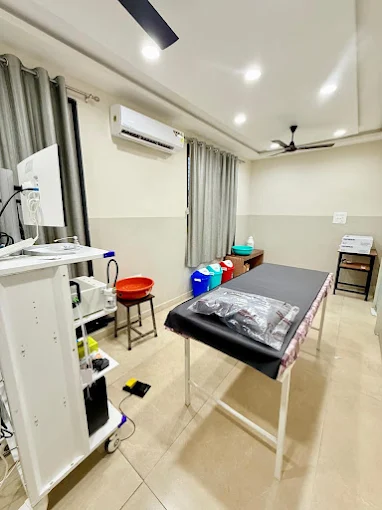
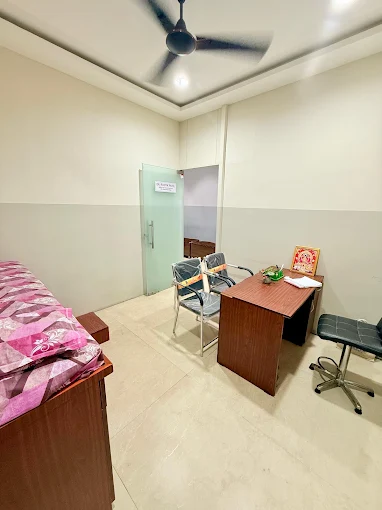
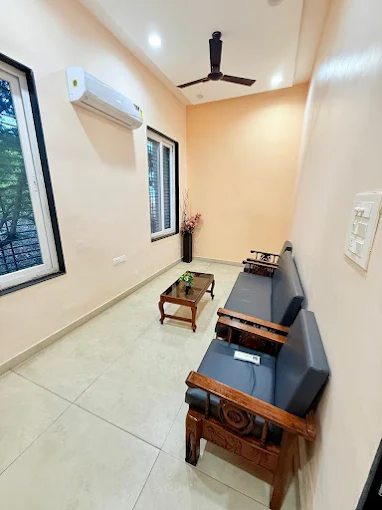
A space built for calm, Precision & Privacy
At Dr Patel’s Gastro, Liver and Endoscopy Centre, we provide specialized care for digestive, liver, and gastrointestinal conditions. From accurate diagnosis and medical treatment to advanced endoscopic procedures, Dr. Rootik Patel focuses on providing personalized care based on each patient’s symptoms and health needs.
Qualifications
- M.B.B.S.
- M.D. (Medicine),
- D.M. Gastroenterology
- Specialized Gastroenterology Care
- Qualified Gastroenterology Specialist
- Personalized Treatment Approach
- Focus on Long-Term Digestive Health
- Comprehensive Digestive & Liver Care
- Advanced Endoscopy Services
- Clear & Patient-Friendly Guidance
- Comfortable Patient Experience
Areas We Serve
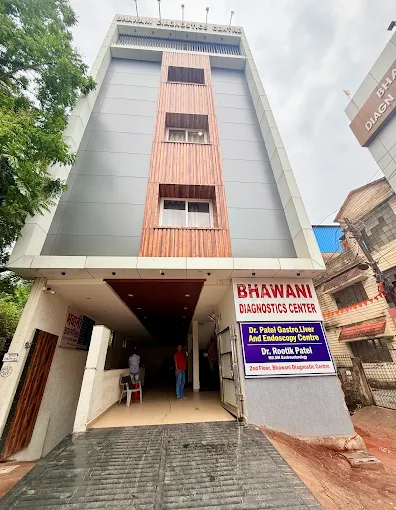
Address: Dr. Patel Gastro, Liver & Endoscopy Centre 2nd Floor , Bhawani Diagnostic Centre, Fafadih, Chowk, Raipur Rd, Raipur, Chhattisgarh 492001
Visit Our Clinic
Address: Dr. Patel Gastro, Liver & Endoscopy Centre 2nd Floor , Bhawani Diagnostic Centre, Fafadih, Chowk, Raipur Rd, Raipur, Chhattisgarh 492001
Phone: +91 62611 46572
Hours: Monday – Saturday – 4:30–7:30 pm
Google Maps: View Location
Frequently asked questions
1. What is obstructive jaundice?
Obstructive jaundice occurs when bile flow from the liver toward the intestine is blocked or significantly reduced. The blockage can cause bilirubin to build up and may lead to yellowing of the skin and eyes.
2. Why would I need an Obstructive Jaundice Evaluation in Raipur?
You may need an evaluation if you have yellow eyes or skin, dark urine, pale stools, abdominal pain, abnormal liver tests, gallstones, or suspected bile duct blockage.
3. What are the common symptoms of obstructive jaundice?
Common symptoms may include yellowing of the eyes or skin, dark urine, pale stools, itching, abdominal pain, nausea, vomiting, and fever.
4. What causes obstructive jaundice?
Possible causes include gallstones in the bile duct, bile duct narrowing, inflammation, infections, and conditions affecting the pancreas or bile ducts.
5. How is obstructive jaundice diagnosed?
Doctors may use blood tests, bilirubin and liver function tests, ultrasound, CT, MRI, MRCP, and other investigations depending on the suspected cause
6. What is the treatment for obstructive jaundice?
Treatment depends on the cause of the blockage. Some bile duct stones may be removed through ERCP, while other conditions may require medicines, stent placement, surgery, or other treatment.
7. What is ERCP?
ERCP is an endoscopic procedure that combines upper GI endoscopy and X-rays to diagnose and treat selected problems of the bile and pancreatic ducts.
8. Can gallstones cause obstructive jaundice?
Yes. A gallstone can move into the common bile duct and become stuck, which can block bile flow and cause jaundice and other complications.
9. Is obstructive jaundice serious?
It can sometimes be serious, particularly when a bile duct blockage is associated with infection, severe pain, or worsening symptoms. Prompt medical evaluation is important to identify and treat the cause.
10. Who should I consult for Obstructive Jaundice Evaluation in Raipur?
You can consult Dr. Rootik Patel, M.B.B.S., M.D. (Medicine), D.M. Gastroenterology, at Dr Patel’s Gastro, Liver & Endoscopy Centre for evaluation of jaundice and suspected biliary problems.