Best Upper GI Endoscopy in Raipur
- Home
- Upper GI Endoscopy
Specialized Endoscopic Care for Accurate Diagnosis and Treatment of Upper Digestive Problems
Upper GI Endoscopy in Raipur
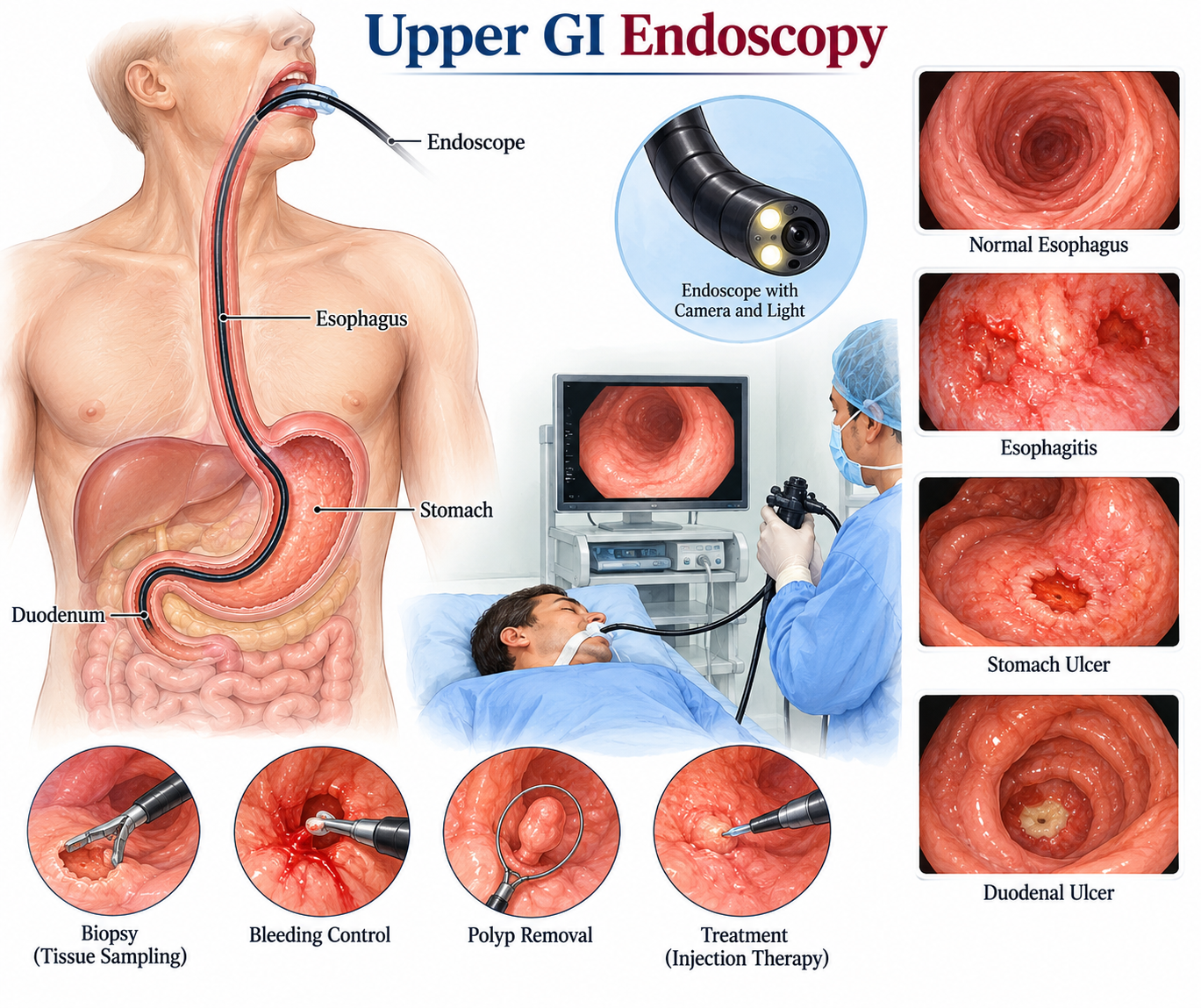
Upper GI Endoscopy is an important procedure used to examine the upper part of the digestive system. It helps doctors see the food pipe (esophagus), stomach, and the first part of the small intestine called the duodenum.
At Dr Patel’s Gastro, Liver & Endoscopy Centre, Upper GI Endoscopy in Raipur is provided under the care of Dr. Rootik Patel, M.B.B.S., M.D. (Medicine), D.M. in Medical Gastroenterology. The procedure can help find the reason behind symptoms such as long-term acidity, stomach pain, vomiting, difficulty swallowing, unexplained weight loss, or digestive tract bleeding.
An endoscope is a thin, flexible tube with a small camera. It is carefully passed through the mouth to examine the upper digestive tract. Depending on the patient’s condition, the doctor may also take a small tissue sample called a biopsy during the procedure.
What Is Upper GI Endoscopy?
Upper GI Endoscopy, also known as upper endoscopy or EGD (esophagogastroduodenoscopy), is a procedure that allows a doctor to look directly at the inner lining of the upper digestive tract.
The procedure examines:
- Esophagus – the food pipe
- Stomach
- Duodenum – the first part of the small intestine
A flexible endoscope with a camera is gently passed through the mouth. The camera sends images to a monitor, allowing the gastroenterologist to examine the digestive tract closely.
During Upper GI Endoscopy in Raipur, the doctor may also take a small biopsy if an area needs further examination. A biopsy can help identify certain conditions, including inflammation, infection, or abnormal tissue changes.
Why Is Upper GI Endoscopy Done?
Doctors may recommend Upper GI Endoscopy when symptoms cannot be fully explained by a routine examination or when a closer look inside the digestive tract is needed.
It may help evaluate:
- Persistent acidity or heartburn
- Repeated stomach pain
- Difficulty swallowing
- Frequent vomiting
- Indigestion that does not improve
- Stomach or duodenal ulcers
- Gastritis
- Gastroesophageal reflux disease
- Upper GI bleeding
- Unexplained weight loss
- Abnormal digestive symptoms
- Certain changes in the esophagus or stomach
Upper GI Endoscopy can be used for both diagnosis and selected treatments. For example, doctors may use it to take biopsies, remove certain growths, or control bleeding in appropriate cases.
Conditions That Can Be Evaluated
Gastritis
Gastritis means inflammation or irritation of the stomach lining. Upper endoscopy may help doctors examine the stomach lining and take a biopsy when needed to understand the cause.
Peptic Ulcer
An ulcer can develop in the stomach or duodenum. Upper GI Endoscopy can help confirm an ulcer and may also help identify its cause.
GERD and Acid Reflux
People with ongoing acid reflux or GERD may sometimes need endoscopy, especially when symptoms continue despite treatment or when complications need to be checked.
Difficulty Swallowing
Difficulty swallowing, also called dysphagia, may have different causes. Upper GI Endoscopy allows the doctor to directly examine the esophagus and identify possible narrowing, inflammation, or other abnormalities.
Upper GI Bleeding
Vomiting blood or passing black, tar-like stools can be signs of bleeding in the upper digestive tract. Endoscopy may be used to find the bleeding source and, in appropriate cases, help control it.
Conditions That Can Be Evaluated
Upper GI Endoscopy is mainly a diagnostic procedure, but it can also be used for certain treatments.
Depending on the problem, an endoscope may allow the doctor to:
- Take tissue samples for testing
- Control bleeding
- Remove certain polyps or growths
- Treat selected abnormalities
- Open certain narrowed areas of the esophagus
The exact procedure depends on the patient’s condition and the findings during the examination.
How Is Upper GI Endoscopy Performed?
Upper GI Endoscopy in Raipur generally follows a planned process.
Step 1: Consultation
The doctor first discusses your symptoms, medical history, previous illnesses, allergies, and medicines.
Step 2: Preparation
You will receive specific instructions about fasting before the procedure. You should also tell the doctor about blood thinners, diabetes medicines, pain medicines, supplements, and other medicines you take.
Step 3: Comfort and Sedation
A sedative may be given to help you stay relaxed and comfortable. The throat may also be numbed with a spray or medicine.
Step 4: Endoscope Insertion
You will usually lie on your side. The flexible endoscope is carefully passed through the mouth and into the esophagus, stomach, and duodenum.
The endoscope does not normally interfere with breathing.
Step 5: Examination and Biopsy
The doctor examines the digestive tract on a monitor. If needed, small tissue samples may be taken for laboratory testing.
Step 6: Recovery
After the procedure, you may need some time for the sedative to wear off. Some people may experience temporary bloating, nausea, or a mild sore throat.
How Should You Prepare for Upper GI Endoscopy?
Proper preparation helps the doctor get a clear view of the digestive tract.
Before Upper GI Endoscopy in Raipur, you may be advised to:
- Avoid food and drinks for the period instructed by your doctor
- Tell your doctor about all medicines
- Inform the doctor if you take blood thinners
- Discuss diabetes medicines before the procedure
- Inform the doctor about allergies
- Arrange someone to take you home if sedation is used
Do not stop prescription medicines on your own. Your doctor will tell you if any medicine needs to be changed before the procedure. Typical preparation instructions may involve fasting for several hours before the examination.
Is Upper GI Endoscopy Painful?
Many patients are concerned about pain before an endoscopy. The procedure is usually performed with medicines that help the patient remain comfortable and relaxed.
You may feel some pressure or temporary discomfort, and a mild sore throat or bloating can occur afterward. Your doctor and care team will guide you through the preparation and recovery process.
How Long Does Upper GI Endoscopy Take?
The actual Upper GI Endoscopy procedure is generally short. NIDDK notes that an upper GI endoscopy typically takes around 10 to 20 minutes, although the total time at the centre can be longer because of preparation and recovery.
Why Choose Dr Patel's Gastro, Liver & Endoscopy Centre?
Choosing the right gastroenterology centre is important when you need an endoscopic examination.
At Dr Patel’s Gastro, Liver & Endoscopy Centre, patients receive:
- Consultation with a qualified gastroenterologist
- Individual assessment before endoscopy
- Care focused on digestive and liver conditions
- Appropriate endoscopic evaluation
- Attention to patient comfort and privacy
- Clear discussion of procedure preparation
- Guidance regarding follow-up and test results
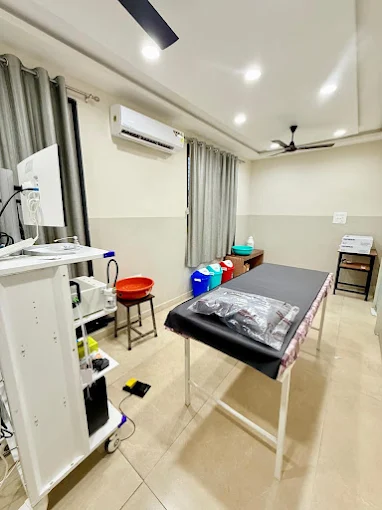
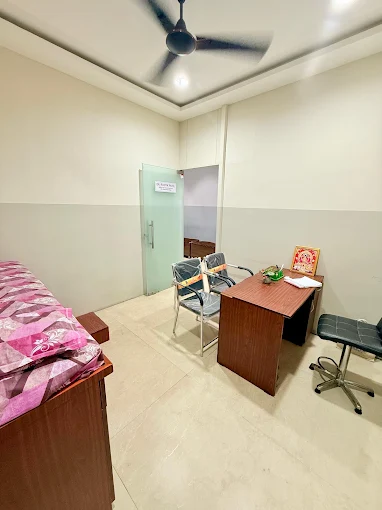
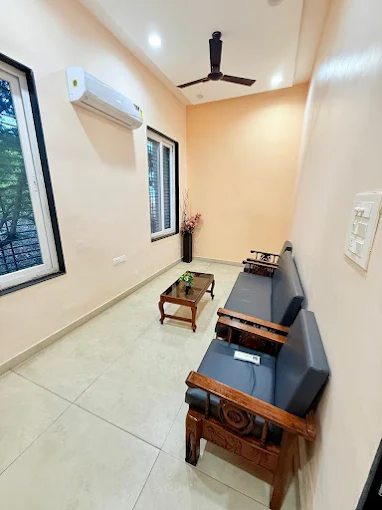
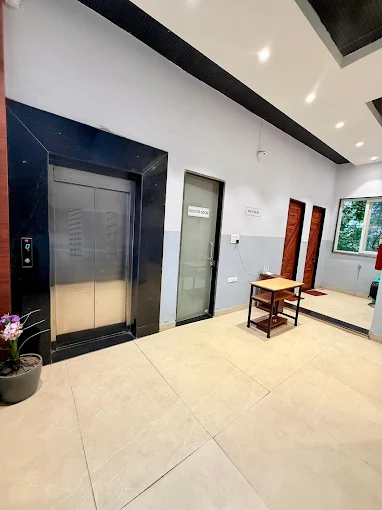
A Space Built for Calm, Precision & Privacy
Medical procedures can make patients feel nervous. Our approach focuses on clear communication, careful evaluation, and respectful patient care.
The goal is to help patients understand why Upper GI Endoscopy in Raipur has been recommended and what they can expect before, during, and after the procedure.
Meet Dr. Rootik Patel
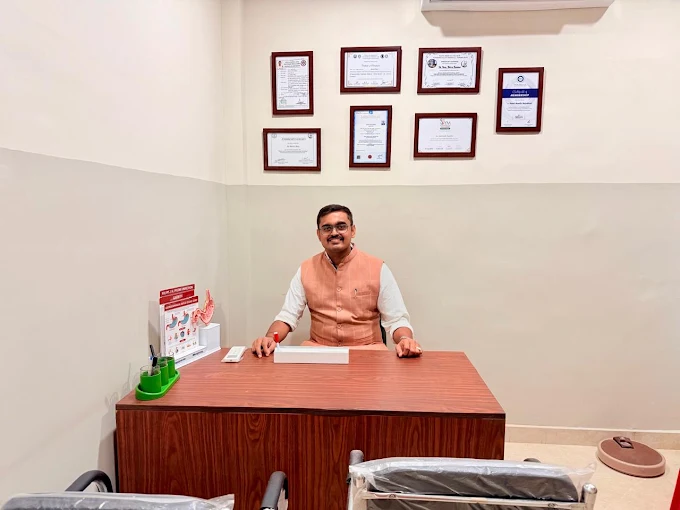
Dr. Rootik Patel is a gastroenterology specialist associated with Dr Patel’s Gastro, Liver & Endoscopy Centre in Raipur.
Qualifications
- M.B.B.S.
- M.D. (Medicine)
- D.M. in Medical Gastroenterology
Dr. Rootik Patel evaluates digestive symptoms and recommends investigations based on the patient’s individual condition. When an endoscopic examination is appropriate, patients are guided through the procedure and preparation requirements.
Upper GI Endoscopy Specialist in Raipur
An Upper GI Endoscopy Specialist in Raipur evaluates symptoms and decides whether endoscopy is necessary. Not every patient with acidity or stomach pain needs an endoscopy.
The decision may depend on the duration and severity of symptoms, response to previous treatment, medical history, and the presence of warning signs such as bleeding, difficulty swallowing, repeated vomiting, or unexplained weight loss.
Gastroenterologist for Upper GI Endoscopy in Raipur
A gastroenterologist is trained to diagnose and manage conditions affecting the digestive system. When Upper GI Endoscopy is required, the gastroenterologist can examine the esophagus, stomach, and duodenum and may take biopsies or perform selected treatments through the endoscope.
This makes the procedure useful for investigating several upper digestive conditions.
A space built for calm, Precision & Privacy
At Dr Patel’s Gastro, Liver and Endoscopy Centre, we provide specialized care for digestive, liver, and gastrointestinal conditions. From accurate diagnosis and medical treatment to advanced endoscopic procedures, Dr. Rootik Patel focuses on providing personalized care based on each patient’s symptoms and health needs.
Qualifications
- M.B.B.S.
- M.D. (Medicine),
- D.M. Gastroenterology
- Specialized Gastroenterology Care
- Qualified Gastroenterology Specialist
- Personalized Treatment Approach
- Focus on Long-Term Digestive Health
- Comprehensive Digestive & Liver Care
- Advanced Endoscopy Services
- Clear & Patient-Friendly Guidance
- Comfortable Patient Experience
Areas We Serve
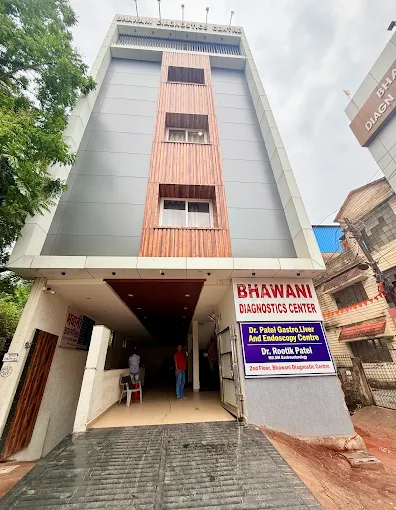
Address: Dr. Patel Gastro, Liver & Endoscopy Centre 2nd Floor , Bhawani Diagnostic Centre, Fafadih, Chowk, Raipur Rd, Raipur, Chhattisgarh 492001
Visit Our Clinic
Address: Dr. Patel Gastro, Liver & Endoscopy Centre 2nd Floor , Bhawani Diagnostic Centre, Fafadih, Chowk, Raipur Rd, Raipur, Chhattisgarh 492001
Phone: +91 62611 46572
Hours: Monday – Saturday – 4:30–7:30 pm
Google Maps: View Location
Frequently asked questions
1. What is Upper GI Endoscopy?
Upper GI Endoscopy is a procedure that uses a flexible camera tube to examine the esophagus, stomach, and duodenum.
2. Why is Upper GI Endoscopy recommended?
It may be recommended to investigate symptoms such as persistent heartburn, stomach pain, vomiting, difficulty swallowing, bleeding, or unexplained weight loss.
3. Is Upper GI Endoscopy painful?
The procedure is generally performed with measures to keep the patient comfortable. You may experience temporary throat discomfort or bloating afterward.
4. Do I need to fast before an endoscopy?
Yes. Your doctor will provide specific fasting instructions before the procedure. Typical instructions require several hours without food or drinks.
5. Can a biopsy be taken during Upper GI Endoscopy?
Yes. If the doctor sees an area that needs further examination, a small tissue sample can be taken through the endoscope.
6. How long does Upper GI Endoscopy take?
The examination itself commonly takes about 10 to 20 minutes, although preparation and recovery can make the total visit longer.
7. Can Upper GI Endoscopy detect ulcers?
Yes. Upper GI Endoscopy can help doctors identify and evaluate ulcers in the stomach or duodenum.
8. Can endoscopy help with GERD?
Endoscopy may be recommended in selected people with GERD to check for complications or other conditions that may be causing symptoms.
9. Can I drive home after Upper GI Endoscopy?
If sedation is used, you should arrange for someone to take you home and follow the recovery instructions provided by your medical team.
10. Who should I consult for Upper GI Endoscopy in Raipur?
You can consult a qualified gastroenterologist such as Dr. Rootik Patel at Dr Patel’s Gastro, Liver & Endoscopy Centre for evaluation and guidance regarding Upper GI Endoscopy.