
Ulcer Bleed Management in Raipur, Chhattisgarh
- Home
- Ulcer Bleed Management in Raipur
Ulcer Bleed Management with Sclerotherapy and Hemoclip
Peptic ulcers can sometimes cause gastrointestinal bleeding when an ulcer damages an underlying blood vessel. Depending on the severity and location of the bleeding, endoscopic treatment may be required to control the bleeding and reduce the risk of continued or recurrent blood loss.
If you are looking for Ulcer Bleed Management in Raipur, Dr Patel’s Gastro, Liver & Endoscopy Centre provides gastroenterology evaluation and endoscopic management for selected patients with suspected or confirmed ulcer-related bleeding.
Dr. Rootik Patel, M.B.B.S., M.D. (Medicine), D.M. (Gastroenterology), evaluates the patient’s symptoms, medical history, blood reports, previous ulcer history, medication use, and endoscopy findings before deciding on the appropriate treatment.
Ulcer Bleeding Treatment in Raipur may involve endoscopic techniques such as injection therapy, including sclerotherapy in selected situations, or mechanical haemostasis using a hemoclip. The choice depends on the appearance of the ulcer, the bleeding vessel, its location, and the clinical condition of the patient.
What Is Ulcer Bleed Management and Why Is It Important?
Ulcer bleed management refers to the evaluation and treatment of bleeding caused by a peptic ulcer in the stomach or duodenum. A bleeding ulcer can range from slow blood loss to significant gastrointestinal haemorrhage. Symptoms may include black, tarry stools, vomiting blood, weakness, dizziness, or symptoms related to anaemia. Endoscopic Ulcer Bleed Treatment in Raipur allows the doctor to examine the upper digestive tract and, when an appropriate bleeding source is identified, perform haemostatic treatment during the same endoscopic procedure. Depending on the endoscopic findings, treatment may include injection therapy, mechanical clipping, thermal techniques, or a combination of methods. Sclerotherapy and hemoclip placement are among the techniques that may be considered in appropriate cases. The objective is to achieve haemostasis while also identifying and addressing factors that may increase the risk of recurrent bleeding.
When May Ulcer Bleed Management in Raipur Be Recommended?
Ulcer Bleed Management in Raipur may be required when a patient has symptoms or investigation findings suggesting active or recent bleeding from a peptic ulcer.
Common situations include:
- Vomiting blood or blood-stained material
- Black, tarry stools
- Unexplained drop in haemoglobin
- Weakness or dizziness associated with blood loss
- Previously diagnosed stomach or duodenal ulcer with bleeding
- Endoscopy showing an ulcer with active bleeding
- A visible vessel associated with an ulcer
- Recent ulcer-related bleeding requiring endoscopic assessment
- Recurrent bleeding after initial treatment
Significant gastrointestinal bleeding can become serious quickly. Patients with vomiting of blood, black stools accompanied by weakness or dizziness, fainting, or signs of significant blood loss should seek urgent medical assessment.
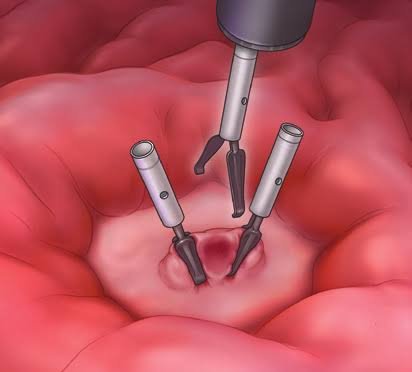
Ulcer Bleed Management in Raipur at Dr Patel’s Gastro, Liver & Endoscopy Centre
At Dr Patel’s Gastro, Liver & Endoscopy Centre, Ulcer Bleed Management in Raipur begins with assessment of the patient’s clinical condition and the suspected source of gastrointestinal bleeding.
Dr. Rootik Patel reviews relevant medical history, medicines, blood-thinning medication use, previous ulcer disease, laboratory investigations, and available imaging or endoscopy reports.
When upper GI endoscopy is indicated, the oesophagus, stomach, and duodenum are examined to identify the bleeding source.
If an ulcer with a treatable bleeding feature is identified, an appropriate endoscopic haemostatic technique may be performed.
The treatment may include injection therapy, hemoclip placement, or another suitable endoscopic method depending on the findings.
Conditions and Situations Associated With Ulcer Bleeding
Peptic ulcer bleeding can occur for different reasons and may be influenced by underlying gastrointestinal conditions, medicines, or infection.
Peptic Ulcer Disease and Gastrointestinal Bleeding
Peptic ulcers in the stomach or duodenum can erode into blood vessels and cause gastrointestinal bleeding. The severity of bleeding varies between patients, and endoscopic findings help determine the appropriate management approach.
Duodenal Ulcer Bleeding
Duodenal ulcers are a common cause of upper gastrointestinal bleeding. When a bleeding vessel is identified during endoscopy, Ulcer Bleeding Treatment in Raipur may involve endoscopic haemostasis using an appropriate technique.
Gastric Ulcer Bleeding
Bleeding can also occur from ulcers located in the stomach. Endoscopy helps identify the ulcer, assess its appearance, determine whether bleeding is active or has recently occurred, and guide treatment.
Ulcers Associated With H. pylori Infection
Helicobacter pylori infection can contribute to peptic ulcer disease. When H. pylori is identified, treatment of the infection forms an important part of preventing future ulcer-related complications.
Ulcers Associated With Certain Medicines
Non-steroidal anti-inflammatory drugs and some other medicines can increase the risk of peptic ulcer formation and bleeding. A medication review is therefore important when evaluating a patient with ulcer-related gastrointestinal bleeding.
Why Is Endoscopic Ulcer Bleed Treatment Important?
Endoscopic Ulcer Bleed Treatment in Raipur can provide direct treatment to a bleeding ulcer when appropriate.
Endoscopic management may help:
- Identify the source of upper gastrointestinal bleeding
- Control active bleeding
- Treat a visible bleeding vessel
- Reduce the risk of continued blood loss
- Reduce the likelihood of recurrent bleeding in appropriately selected cases
- Determine whether additional treatment or monitoring is required
The exact endoscopic technique depends on the ulcer’s appearance and the bleeding characteristics.
How Is Ulcer Bleed Management Performed?
The Ulcer Bleed Management in Raipur process depends on the patient’s condition and endoscopic findings.
Step 1: Initial Clinical Assessment
The doctor assesses symptoms such as vomiting blood, black stools, weakness, dizziness, abdominal discomfort, and other signs of blood loss.
Step 2: Review of Medicines and Medical History
The doctor reviews the patient's history of peptic ulcer disease, previous gastrointestinal bleeding, NSAID use, blood-thinning medicines, H. pylori infection, and other relevant conditions.
Step 3: Upper GI Endoscopy
The endoscopy helps identify the ulcer and determine whether there is active bleeding, a visible vessel, or another high-risk feature.
Step 4: Assessment of the Bleeding Ulcer
The ulcer is carefully assessed to determine the most appropriate haemostatic approach.
Step 5: Endoscopic Haemostasis
When appropriate, the doctor may use injection therapy, a hemoclip, or another endoscopic haemostatic technique.
Step 6: Confirmation of Bleeding Control
After treatment, the treated area is reassessed to determine whether haemostasis has been achieved.
Step 7: Recovery and Further Management
The patient is monitored after the procedure and receives instructions regarding medicines, diet, follow-up, and warning symptoms.
Sclerotherapy for Selected Ulcer Bleeding
Sclerotherapy in Raipur refers to an injection-based technique in which a suitable haemostatic or sclerosing agent is delivered into or around a bleeding site to help control bleeding.
Injection therapy may be considered in selected gastrointestinal bleeding situations based on the endoscopic appearance and clinical circumstances.
The exact agent and technique depend on the patient’s condition and the treating endoscopist’s assessment.
Sclerotherapy is not appropriate for every ulcer bleed. The endoscopic findings determine whether injection therapy is suitable or whether another haemostatic technique should be used.
Hemoclip Treatment for Bleeding Ulcers
Hemoclip Treatment in Raipur uses a small mechanical clip placed through the endoscope to compress a bleeding vessel or bleeding point.
The clip is positioned directly at the appropriate site when the anatomy and bleeding pattern allow effective placement.
Hemoclips may be useful for selected ulcers with a visible bleeding vessel or other endoscopic features that are amenable to mechanical haemostasis.
The suitability of hemoclip placement depends on the ulcer’s location, size, depth, bleeding pattern, and accessibility.
Combined Endoscopic Techniques for Ulcer Bleeding
In some cases, more than one haemostatic technique may be used.
For example, injection therapy may be combined with mechanical or thermal haemostasis when clinically appropriate.
The objective is to achieve reliable control of bleeding while considering the characteristics of the ulcer and the patient’s overall condition.
The doctor selects the treatment approach based on the endoscopic findings rather than using the same technique for every patient.
How to Prepare for Ulcer Bleed Management in Raipur
Preparation depends on whether the procedure is planned or being performed urgently because of active bleeding.
For an upper GI endoscopy, fasting may be required before the procedure when the clinical situation allows.
Inform the medical team about:
- Current medicines
- Blood-thinning medicines
- Painkillers or NSAID use
- Diabetes medicines
- Drug allergies
- Previous reactions to sedation or anaesthesia
- Previous ulcers or gastrointestinal bleeding
- H. pylori infection or previous treatment
- Heart or lung conditions
- Previous gastrointestinal procedures
- Any recent vomiting of blood or black stools
Do not stop prescribed medicines on your own. The doctor will advise whether any medication needs to be continued, adjusted, or temporarily withheld.
Recovery and Aftercare Following Ulcer Bleed Management
Following Ulcer Bleed Management in Raipur, patients may require observation depending on the severity of bleeding and their overall clinical condition.
The doctor may provide instructions regarding:
- Acid-suppressing medicines
- Diet and food intake
- Restarting regular medicines
- Management of blood-thinning medication
- H. pylori testing or treatment when indicated
- Follow-up endoscopy when required
- Monitoring for recurrent bleeding
- Warning symptoms requiring urgent medical attention
Patients should seek prompt medical attention if they develop vomiting of blood, black or bloody stools, severe weakness, fainting, persistent vomiting, severe abdominal pain, fever, or other concerning symptoms.
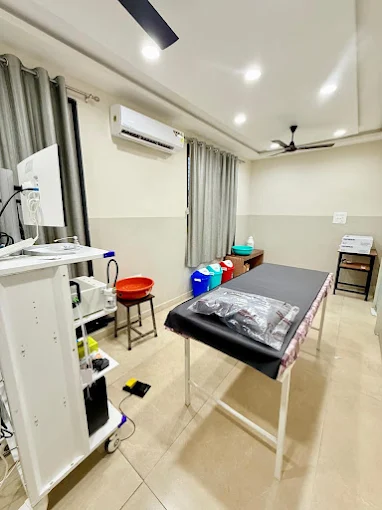
A space built for calm, Precision & Privacy
At Dr Patel’s Gastro, Liver and Endoscopy Centre, we provide specialized care for digestive, liver, and gastrointestinal conditions. From accurate diagnosis and medical treatment to advanced endoscopic procedures, Dr. Rootik Patel focuses on providing personalized care based on each patient’s symptoms and health needs.
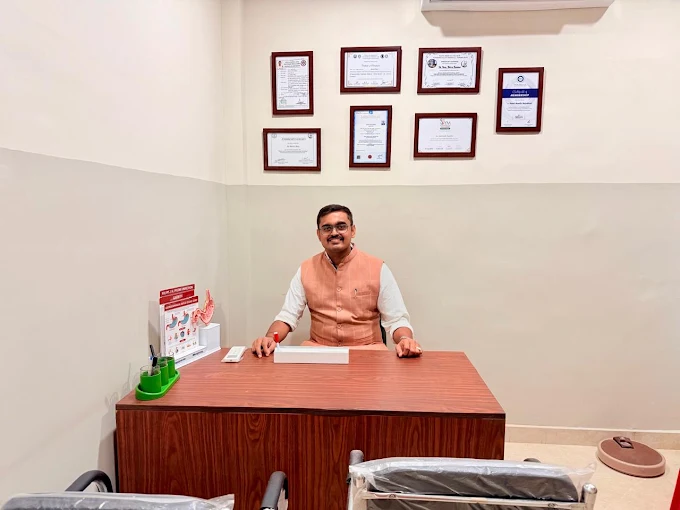
Qualifications
- M.B.B.S.
- M.D. (Medicine),
- D.M. Gastroenterology
- Specialized Gastroenterology Care
- Qualified Gastroenterology Specialist
- Personalized Treatment Approach
- Focus on Long-Term Digestive Health
- Comprehensive Digestive & Liver Care
- Advanced Endoscopy Services
- Clear & Patient-Friendly Guidance
- Comfortable Patient Experience
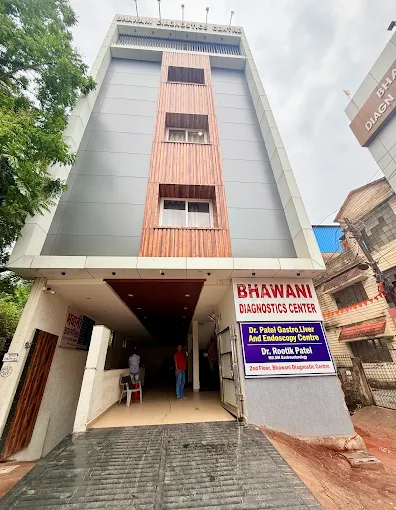
Areas We Serve
Address: Dr. Patel Gastro, Liver & Endoscopy Centre 2nd Floor , Bhawani Diagnostic Centre, Fafadih, Chowk, Raipur Rd, Raipur, Chhattisgarh 492001
Visit Our Clinic
Address: Dr. Patel Gastro, Liver & Endoscopy Centre 2nd Floor , Bhawani Diagnostic Centre, Fafadih, Chowk, Raipur Rd, Raipur, Chhattisgarh 492001
Phone: +91 62611 46572
Hours: Monday – Saturday – 4:30–7:30 pm
Google Maps: View Location
Frequently Asked Questions About Ulcer Bleed Management in Raipur
1. What is Ulcer Bleed Management?
Ulcer Bleed Management in Raipur involves evaluating and treating bleeding caused by a stomach or duodenal ulcer. Endoscopic treatment may be required when a bleeding source is identified.
2. What causes a bleeding ulcer?
Peptic ulcers may bleed when ulceration damages an underlying blood vessel. H. pylori infection, NSAID use, and other factors can contribute to peptic ulcer disease.
3. What is Sclerotherapy in ulcer bleeding?
Sclerotherapy in Raipur refers to injection-based treatment used in selected gastrointestinal bleeding situations. The injected agent is intended to help control bleeding at an appropriate site.
4. What is Hemoclip Treatment?
Hemoclip Treatment in Raipur uses a small mechanical clip delivered through an endoscope to compress a bleeding vessel or bleeding point when the ulcer anatomy is suitable.
5. Is endoscopy necessary for ulcer bleeding?
Upper GI endoscopy is commonly used to identify the source of suspected upper gastrointestinal bleeding and can allow treatment during the same procedure when appropriate.
6. Can sclerotherapy and hemoclip be used together?
In selected cases, more than one haemostatic technique may be used. The decision depends on the endoscopic appearance and characteristics of the bleeding ulcer.
7. What are the symptoms of an ulcer bleed?
Symptoms can include vomiting blood, black tarry stools, weakness, dizziness, fainting, or signs of anaemia. Significant bleeding requires urgent medical evaluation.
8. Can an ulcer bleed again after treatment?
Yes. Recurrent bleeding can occur in some patients, particularly when the ulcer has high-risk features. Follow-up and treatment of the underlying ulcer disease are important.
9. What treatment is needed after a bleeding ulcer is controlled?
Treatment may include acid-suppressing medicines, H. pylori eradication when indicated, review of NSAID or other medicines, and follow-up evaluation based on the patient’s condition.
10. Where can I consult for Ulcer Bleed Management in Raipur?
If you are looking for Ulcer Bleed Management in Raipur, you can consult Dr. Rootik Patel at Dr Patel’s Gastro, Liver & Endoscopy Centre, 2nd Floor, Bhawani Diagnostic Centre, Fafadih Chowk, Raipur, Chhattisgarh 492001.