Endoscopic Variceal Ligation in Raipur, Chhattisgarh
- Home
- Endoscopic Variceal Ligation(EVL)
Endoscopic Variceal Ligation for the Management of Esophageal Varices
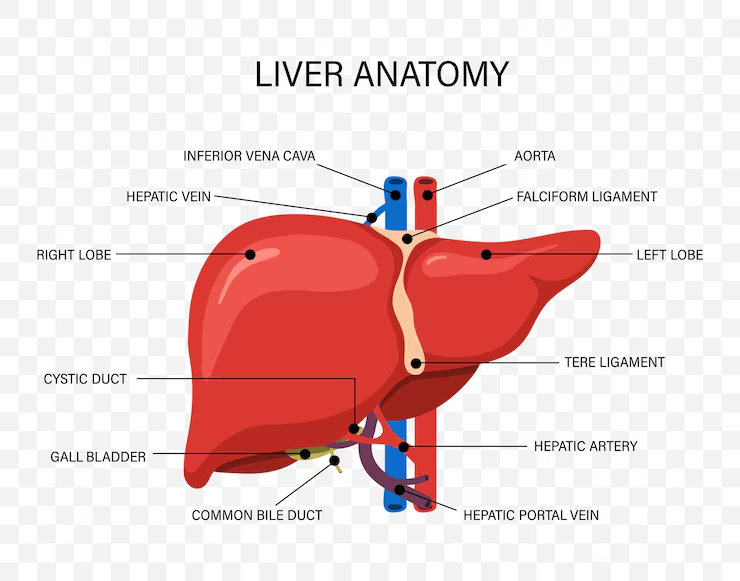
Esophageal varices are enlarged veins in the lower part of the oesophagus that can develop when increased pressure in the portal venous system affects blood flow through the liver. They are commonly associated with advanced liver disease and portal hypertension. If these veins bleed, the bleeding can be serious and requires prompt medical attention.
If you are looking for Endoscopic Variceal Ligation in Raipur, Dr Patel’s Gastro, Liver & Endoscopy Centre provides gastroenterology evaluation and endoscopic management for patients with esophageal varices and related complications.
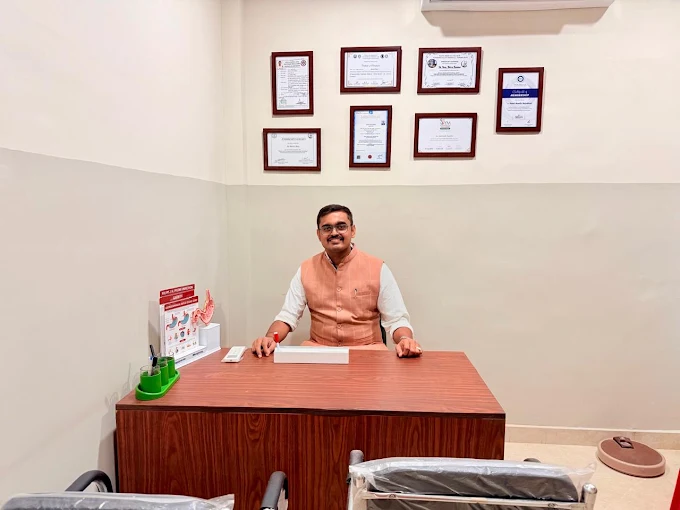
Dr. Rootik Patel, M.B.B.S., M.D. (Medicine), D.M. (Gastroenterology), evaluates the patient’s liver condition, symptoms, previous endoscopy reports, blood investigations, and other relevant findings before deciding whether EVL is appropriate.
EVL Treatment in Raipur involves placing small elastic bands around selected esophageal varices using an endoscope. The bands reduce blood flow through the targeted varix, allowing it to shrink and eventually be replaced by scar tissue.
What Is Endoscopic Variceal Ligation and How Does It Work?
Endoscopic Variceal Ligation, commonly called EVL or endoscopic band ligation, is a procedure used primarily to manage selected esophageal varices. During the Variceal Band Ligation in Raipur procedure, an endoscope is passed through the mouth into the oesophagus. The doctor identifies enlarged veins and uses a specialised device attached to the endoscope to place small elastic bands around the varices. The band compresses the varix and interrupts blood flow through it. The treated tissue gradually shrinks, and the banded area eventually heals with scar formation. EVL may require more than one treatment session depending on the number and size of varices, the underlying liver condition, and the response to previous treatment. EVL addresses the varices but does not by itself cure cirrhosis or portal hypertension. Management of the underlying liver disease remains an important part of long-term care.
When Is EVL Treatment in Raipur Recommended?
EVL Treatment in Raipur may be considered in selected patients when esophageal varices have a significant risk of bleeding or when variceal bleeding has occurred.
Situations where EVL may be recommended include:
- Active or recent bleeding from esophageal varices
- Esophageal varices considered at high risk of bleeding
- Recurrent varices following previous treatment
- Portal hypertension associated with chronic liver disease
- Patients requiring endoscopic prevention of variceal bleeding
- Selected cases where endoscopic band ligation is considered appropriate after evaluation
Not every patient with esophageal varices requires EVL. Depending on the individual’s condition, medicines, endoscopic surveillance, or other treatments may be recommended.
Endoscopic Variceal Ligation in Raipur at Dr Patel’s Gastro, Liver & Endoscopy Centre
At Dr Patel’s Gastro, Liver & Endoscopy Centre, Endoscopic Variceal Ligation in Raipur is considered after a detailed assessment of the patient’s liver disease and the characteristics of the esophageal varices.
Dr. Rootik Patel reviews relevant blood tests, previous endoscopy findings, imaging reports, medicines, and symptoms before planning the procedure.
When EVL is appropriate, the endoscopic examination allows the doctor to identify the varices directly and place bands on selected veins.
The treatment plan may also include management of the underlying liver disease, portal hypertension, and other factors that can contribute to recurrent varices.
Conditions and Situations That May Require EVL
Several liver and portal circulation conditions can lead to the development of esophageal varices and increase the risk of bleeding.
Variceal Bleeding and Emergency Endoscopic Care
Variceal Bleeding Treatment in Raipur requires urgent assessment. Endoscopic treatment may be part of the management when variceal bleeding is confirmed or strongly suspected.
Varices Associated With Chronic Liver Disease
Cirrhosis and other chronic liver conditions can increase portal pressure and contribute to the formation of esophageal varices. Managing the underlying liver disease alongside endoscopic treatment is important for long-term care.
Esophageal Varices and Portal Hypertension
Esophageal Varices Treatment in Raipur may involve EVL when the clinical and endoscopic findings indicate that band ligation is appropriate.
Recurrent Esophageal Varices
Varices can return even after successful treatment because the underlying portal hypertension may continue.
Why Can Variceal Band Ligation Be Important?
Variceal Band Ligation in Raipur can be used to control bleeding from selected esophageal varices and, in appropriate patients, reduce the risk of future variceal bleeding.
The procedure may help:
- Control bleeding from selected esophageal varices
- Reduce the size of treated varices
- Reduce the risk of recurrent bleeding in appropriate cases
- Provide an endoscopic option for patients with high-risk varices
- Allow direct assessment of the oesophagus during treatment
- Support ongoing management of complications related to portal hypertension
However, EVL does not remove the underlying cause of portal hypertension. Patients may require continued liver care, medicines, surveillance, and repeat endoscopy.
How Is the EVL Procedure Performed?
The EVL Procedure in Raipur is performed using an endoscope fitted with a specialised banding device.
Step 1: Clinical Assessment
The doctor reviews the patient's symptoms, liver disease history, previous endoscopies, blood tests, medicines, and other relevant medical information.
Step 2: Preparation Before Endoscopy
The patient is given instructions regarding fasting, medicines, and other preparation requirements before the procedure.
Step 3: Sedation or Anaesthesia
Depending on the clinical situation and procedure requirements, appropriate sedation or anaesthesia may be used.
Step 4: Endoscopic Examination
The doctor examines the oesophageal lining and identifies the presence, location, and appearance of varices.
Step 5: Identifying the Varices for Banding
The doctor determines which varices require treatment based on their appearance, bleeding risk, and the overall clinical situation.
Step 6: Placement of Elastic Bands
The specialised banding device is used to capture selected varices and place small elastic bands around them.
Step 7: Recovery and Follow-Up
After the procedure, the patient is monitored while recovering from sedation or anaesthesia.
EVL Treatment Options and Related Endoscopic Care
The appropriate EVL Treatment in Raipur depends on whether the patient is being treated for active bleeding, prevention of future bleeding, or recurrent varices.
Band Ligation of Esophageal Varices
Endoscopic band ligation is primarily used for selected esophageal varices. The doctor places bands around targeted varices to reduce blood flow and promote their gradual disappearance.
Management of Active Variceal Bleeding
When a patient presents with suspected variceal bleeding, urgent medical assessment is required. Endoscopic band ligation may be used as part of the treatment when bleeding esophageal varices are identified.
Repeat EVL Sessions for Persistent Varices
Some patients continue to have varices after an initial session. Repeat endoscopy and additional banding may therefore be required. The number and timing of sessions depend on the individual findings and response to treatment.
Follow-Up Endoscopy After Band Ligation
Follow-up examinations allow the doctor to assess treated areas and identify any remaining varices that may require further management.
How to Prepare for an EVL Procedure in Raipur
Preparation for the EVL Procedure in Raipur generally includes fasting for a specified period before the endoscopy.
Before the procedure, inform the doctor about:
- Current medicines
- Blood-thinning medicines
- Diabetes medicines
- Drug allergies
- Previous reactions to sedation or anaesthesia
- Heart or lung conditions
- Previous gastrointestinal procedures
- Bleeding or clotting problems
- Known liver disease
- Previous episodes of gastrointestinal bleeding
Do not stop regular medicines on your own. The doctor or medical team will explain whether any medicine needs to be adjusted before the procedure.
If sedation or anaesthesia is planned, patients may need someone to accompany them home after the procedure.
Recovery and Aftercare Following EVL Treatment
Following EVL Treatment in Raipur, patients are monitored until they are sufficiently recovered from sedation or anaesthesia.
The doctor may provide guidance regarding food, fluids, medicines, and activity after the procedure.
Temporary symptoms can include:
- Mild throat discomfort
- Chest discomfort
- Mild difficulty swallowing
- Feeling of fullness
- Temporary discomfort while eating
Patients should follow the dietary and medication instructions provided after treatment.
Urgent medical attention is important if a patient develops vomiting of blood, black stools, severe chest or abdominal pain, persistent vomiting, fever, difficulty breathing, or significant difficulty swallowing.
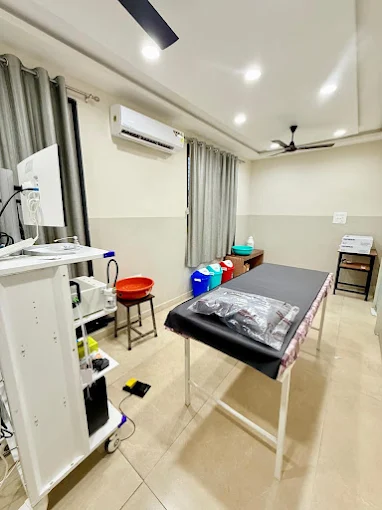
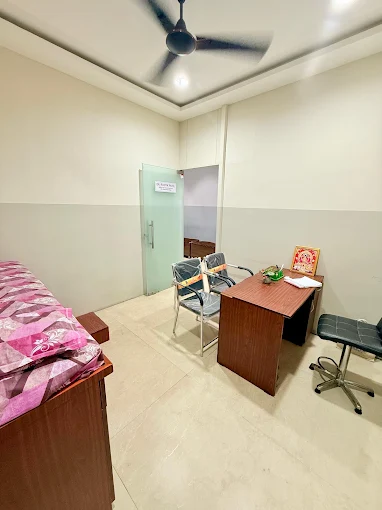
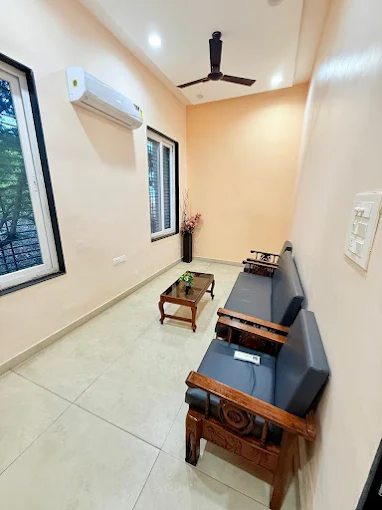
A space built for calm, Precision & Privacy
At Dr Patel’s Gastro, Liver and Endoscopy Centre, we provide specialized care for digestive, liver, and gastrointestinal conditions. From accurate diagnosis and medical treatment to advanced endoscopic procedures, Dr. Rootik Patel focuses on providing personalized care based on each patient’s symptoms and health needs.
Qualifications
- M.B.B.S.
- M.D. (Medicine),
- D.M. Gastroenterology
- Specialized Gastroenterology Care
- Qualified Gastroenterology Specialist
- Personalized Treatment Approach
- Focus on Long-Term Digestive Health
- Comprehensive Digestive & Liver Care
- Advanced Endoscopy Services
- Clear & Patient-Friendly Guidance
- Comfortable Patient Experience
Areas We Serve
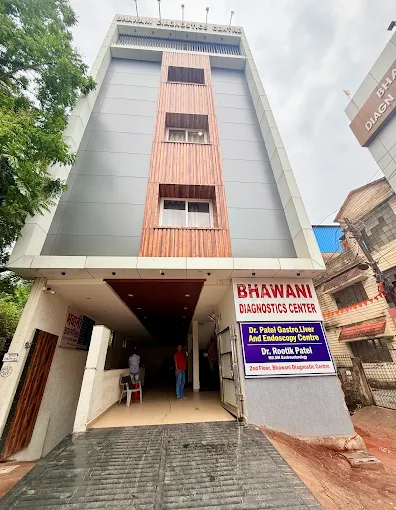
Address: Dr. Patel Gastro, Liver & Endoscopy Centre 2nd Floor , Bhawani Diagnostic Centre, Fafadih, Chowk, Raipur Rd, Raipur, Chhattisgarh 492001
Visit Our Clinic
Address: Dr. Patel Gastro, Liver & Endoscopy Centre 2nd Floor , Bhawani Diagnostic Centre, Fafadih, Chowk, Raipur Rd, Raipur, Chhattisgarh 492001
Phone: +91 62611 46572
Hours: Monday – Saturday – 4:30–7:30 pm
Google Maps: View Location
Frequently Asked Questions About EVL in Raipur
1. What is Endoscopic Variceal Ligation?
Endoscopic Variceal Ligation in Raipur is an endoscopic procedure used primarily to treat selected esophageal varices. Small elastic bands are placed around the varices to reduce blood flow through them.
2. What is EVL Treatment in Raipur used for?
EVL Treatment in Raipur may be recommended for selected patients with esophageal varices that have a significant risk of bleeding or for controlling bleeding from identified varices.
3. What are esophageal varices?
Esophageal Varices in Raipur refers to enlarged veins in the oesophagus that can develop due to increased pressure in the portal venous system, often in association with chronic liver disease.
4. How does Variceal Band Ligation work?
During Variceal Band Ligation in Raipur, an endoscope is used to identify selected varices. Small elastic bands are placed around them, restricting blood flow and allowing the treated tissue to shrink and heal.
5. Is EVL used for active variceal bleeding?
Yes. When active bleeding from esophageal varices is identified, EVL may be used as part of urgent endoscopic management. Significant vomiting of blood or black stools requires prompt medical attention.
6. How many EVL sessions may be required?
The number of sessions varies between patients. Some may require more than one treatment session because additional varices can remain or develop after the initial procedure.
7. What can I eat after EVL?
The doctor will provide individual dietary instructions after the procedure. Depending on the treatment and symptoms, softer foods and adequate fluids may be recommended for a short period.
8. What are the possible risks of EVL?
Possible risks include chest discomfort, difficulty swallowing, bleeding, band-site ulceration, delayed bleeding, infection, and rare oesophageal injury. Sedation or anaesthesia can also have associated risks.
9. Does EVL cure cirrhosis or portal hypertension?
No. EVL treats selected esophageal varices and helps manage the risk of variceal bleeding. It does not cure cirrhosis or directly eliminate portal hypertension, so the underlying condition requires continued medical care.
10. Where can I consult an EVL Doctor in Raipur?
If you are looking for an EVL Doctor in Raipur, you can consult Dr. Rootik Patel at Dr Patel’s Gastro, Liver & Endoscopy Centre, 2nd Floor, Bhawani Diagnostic Centre, Fafadih Chowk, Raipur, Chhattisgarh 492001.